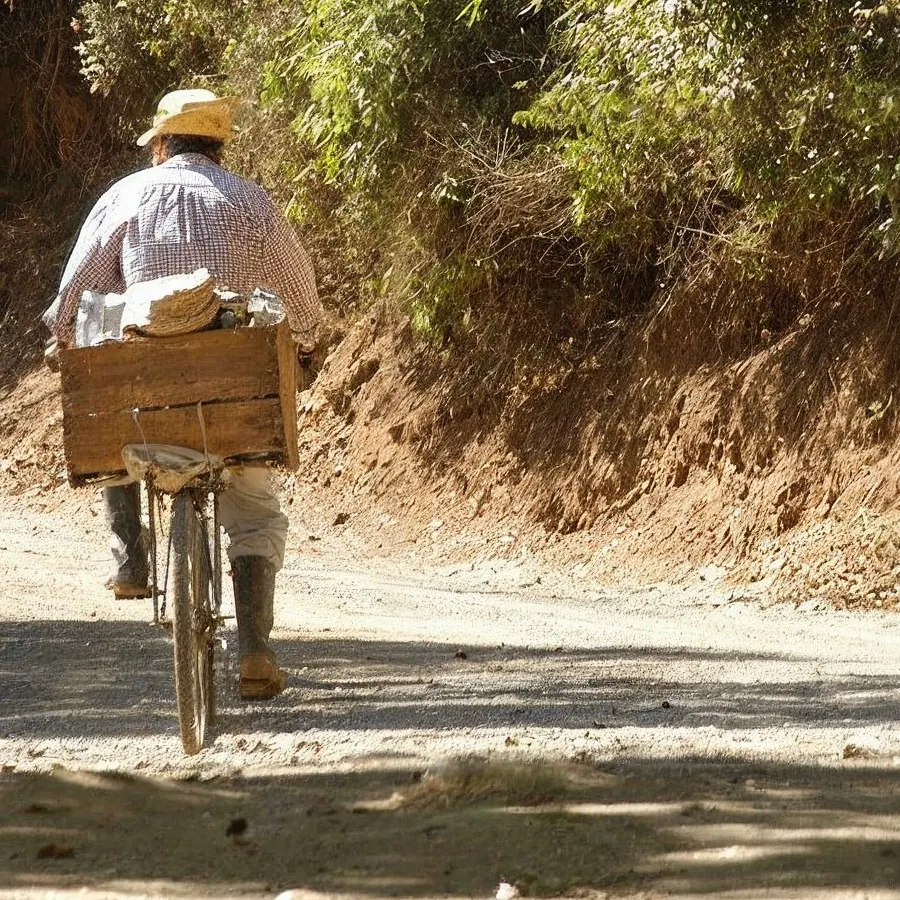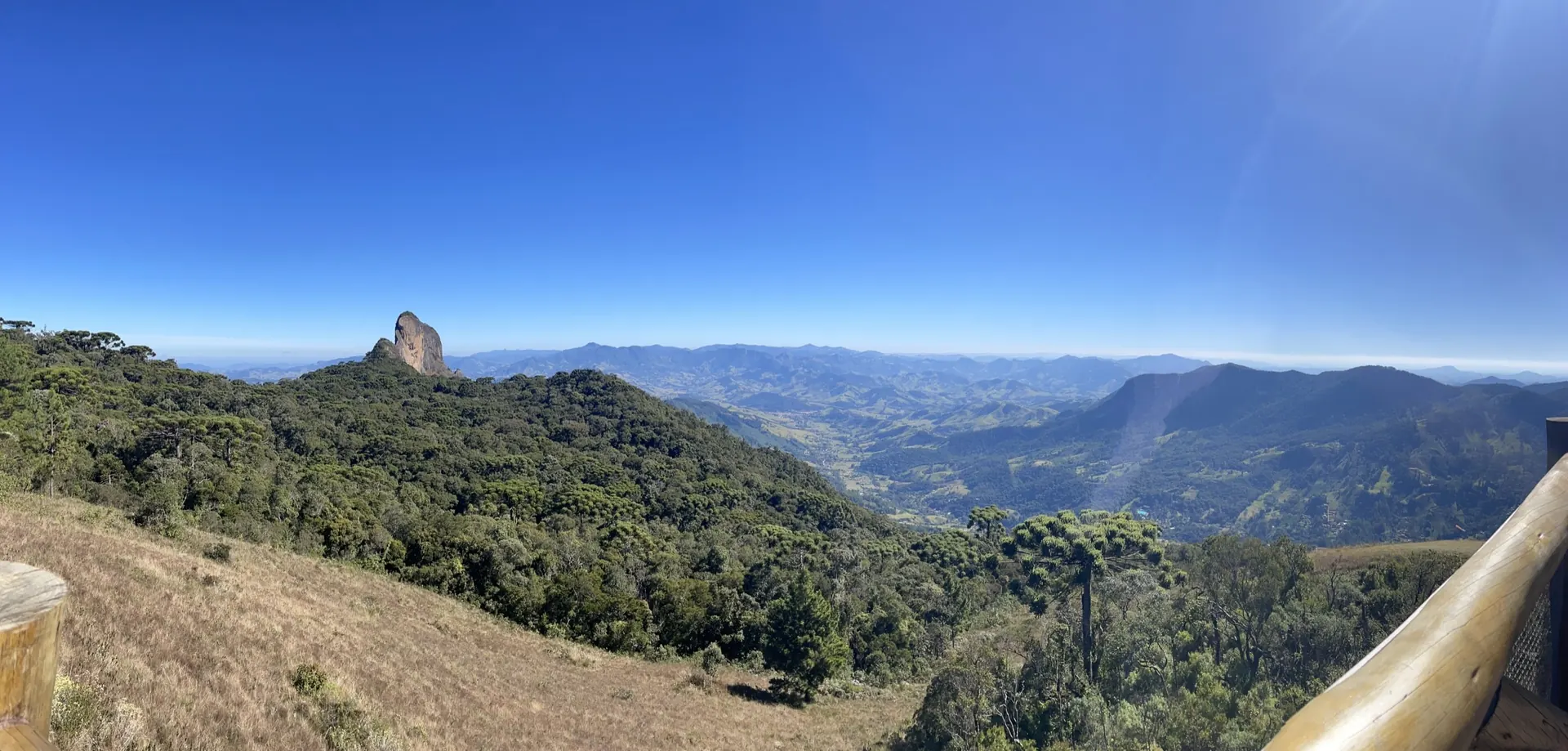
Three Mantiqueira towns bringing bilingual schools, first-world healthcare, work and culture into the territory, without pushing out those already here, without cement, without noise, without speculation. We call it Kindhearted Development.
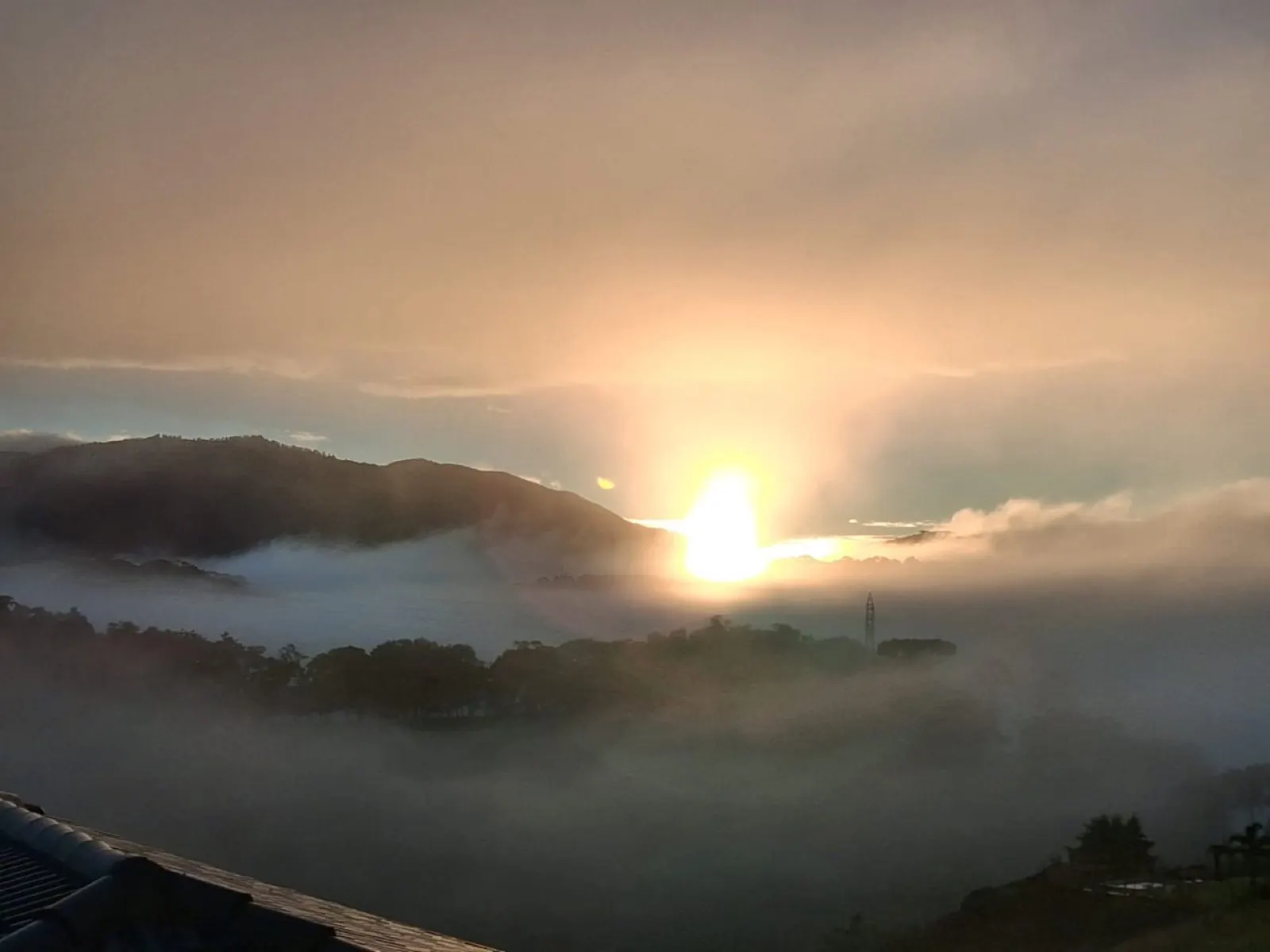
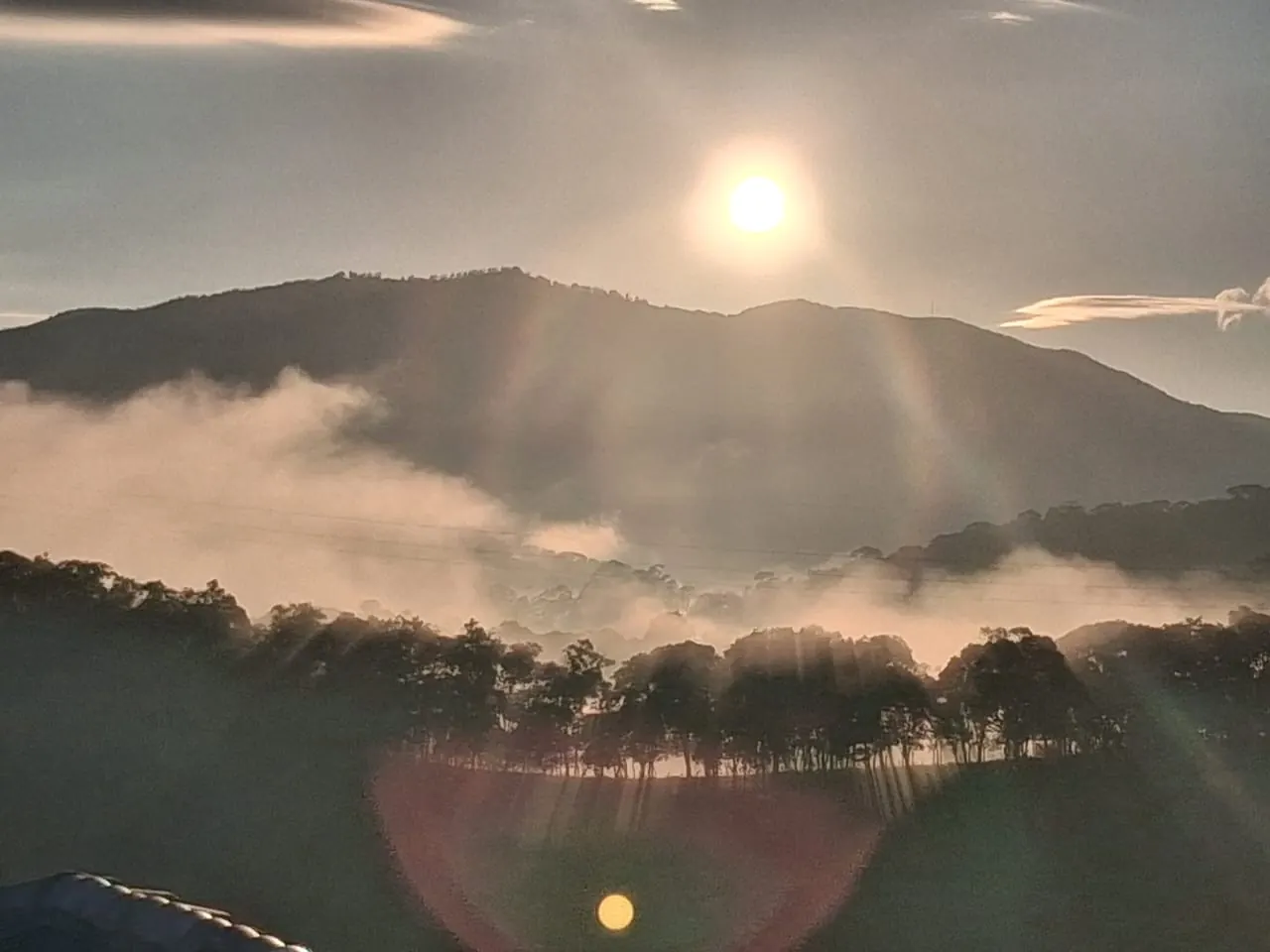
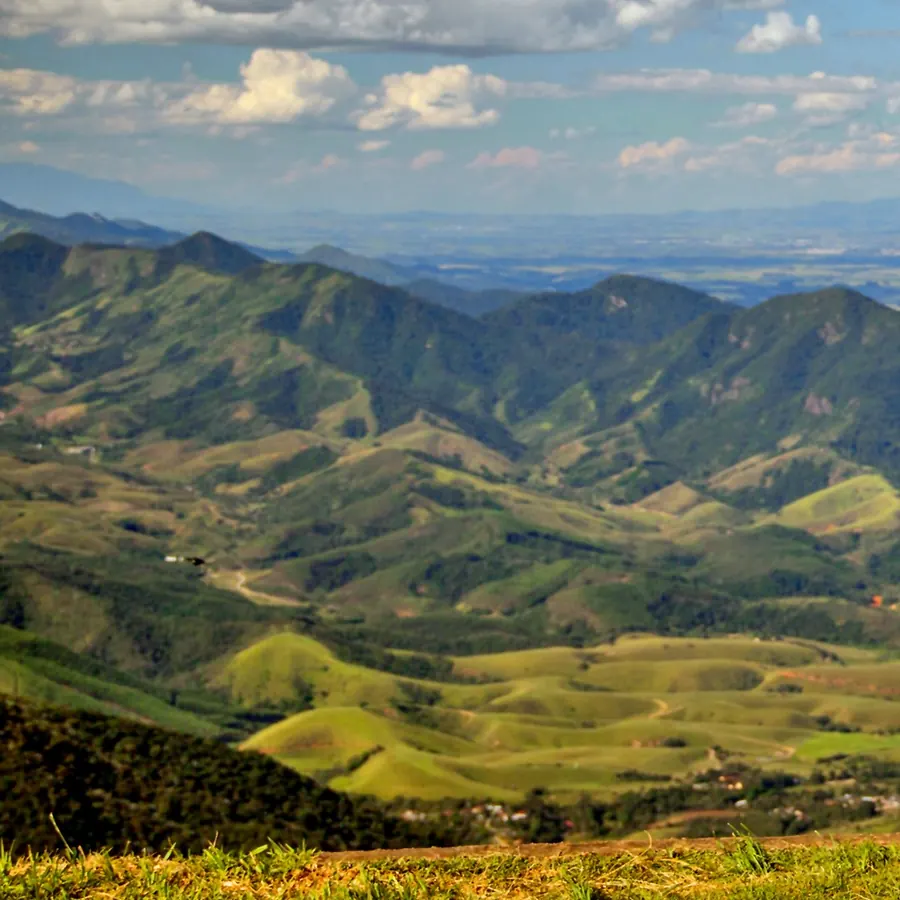
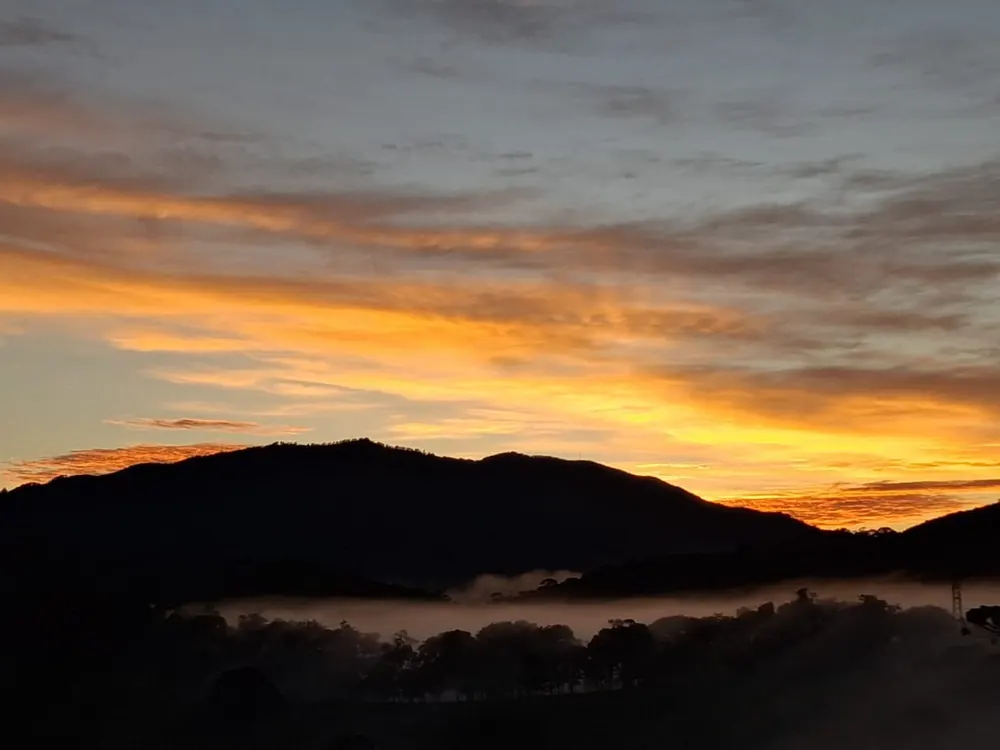
Sea of clouds over the Sapucaí valley.
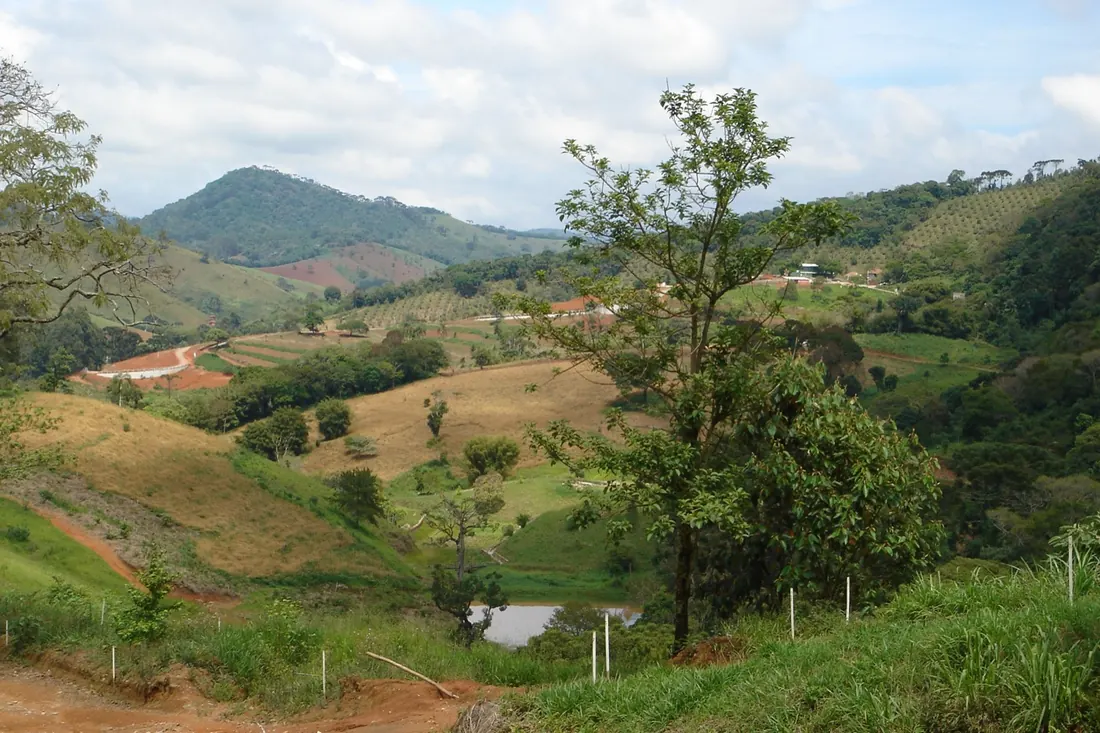
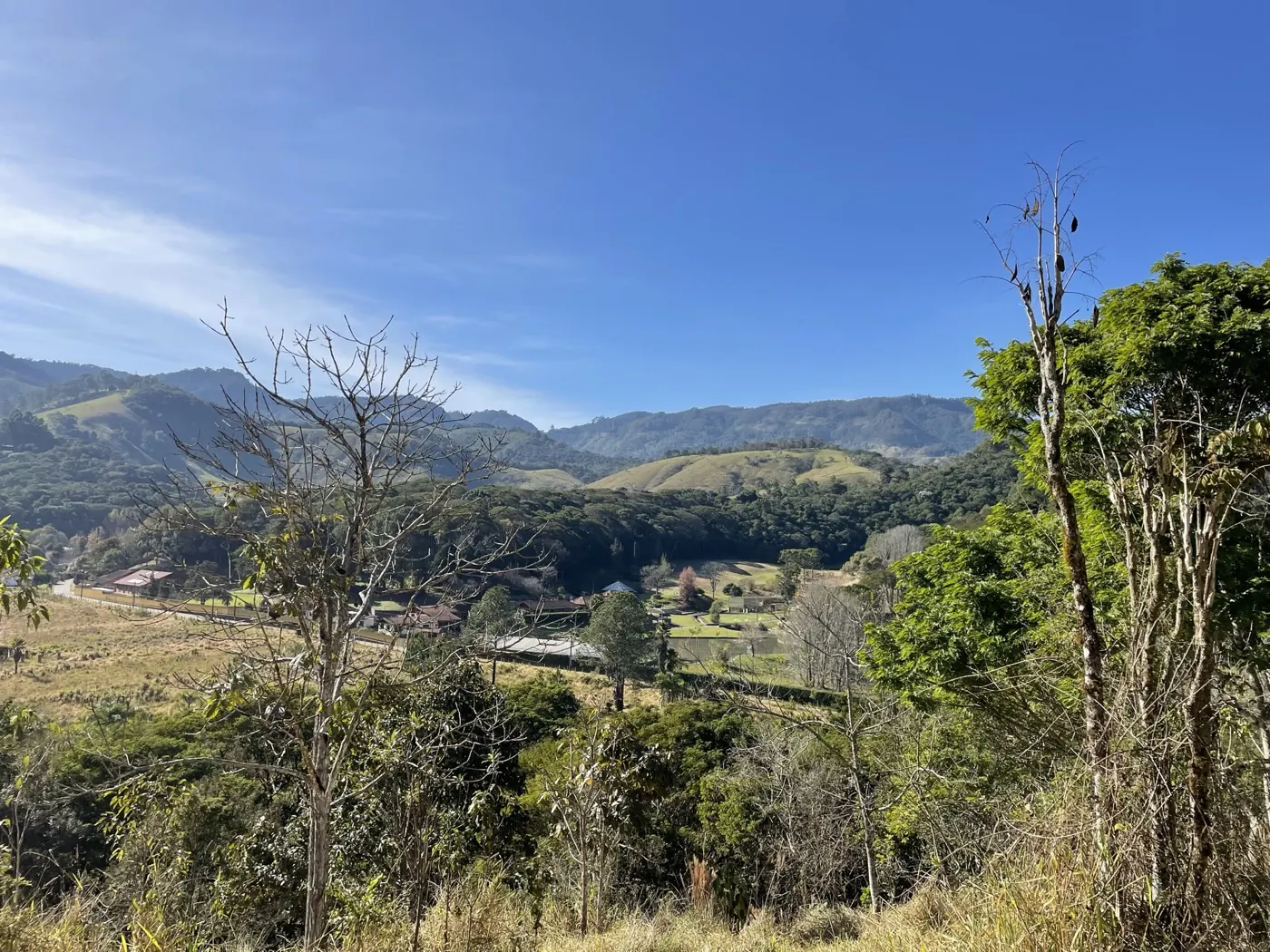
Campos do Jordão, Santo Antônio do Pinhal and São Bento do Sapucaí share landscapes, springs, roads, economies and community ties. Water, vegetation, mobility and livelihoods cross the municipal lines: three towns, one territory.
What form of development can be born here?
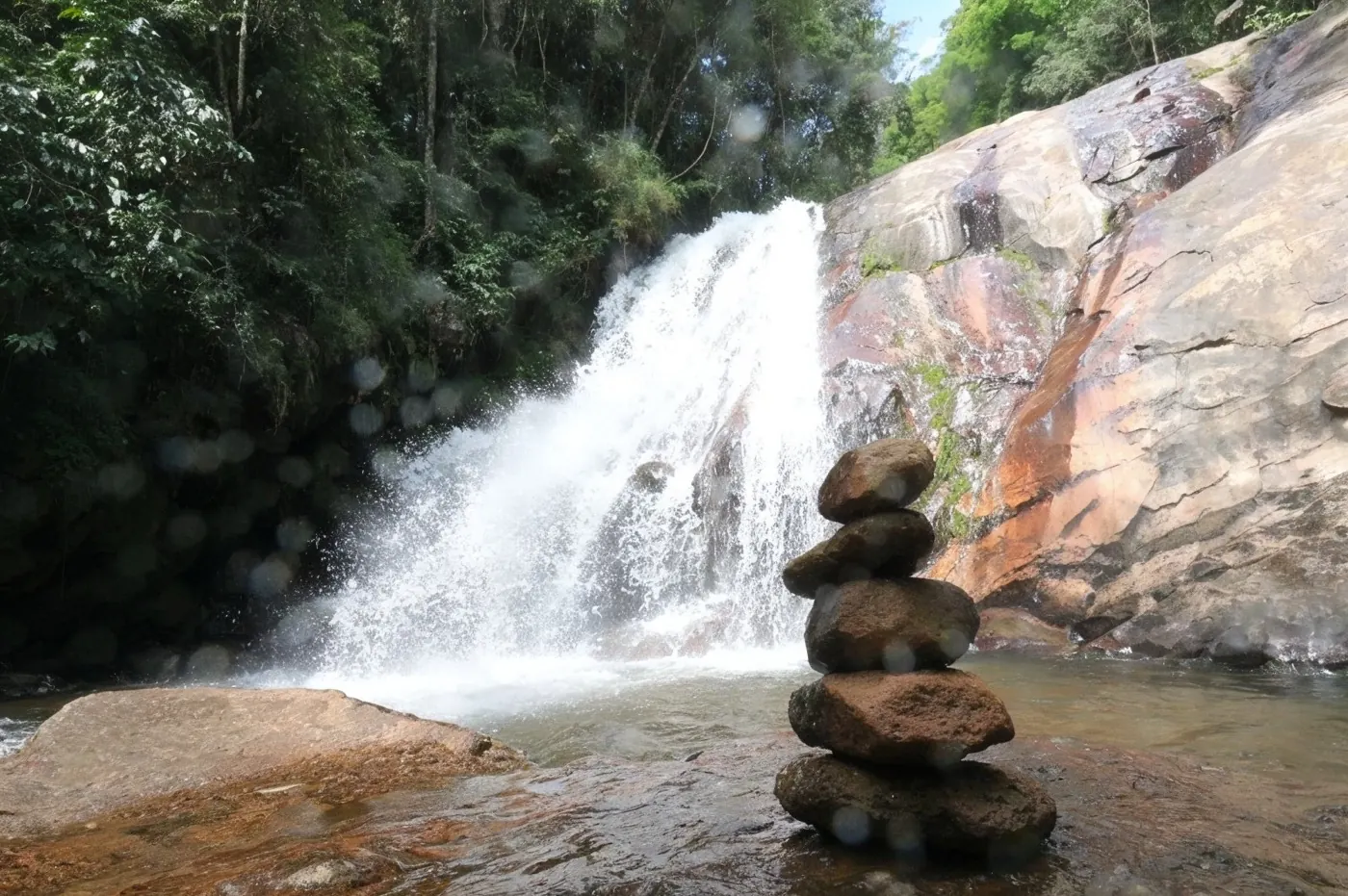
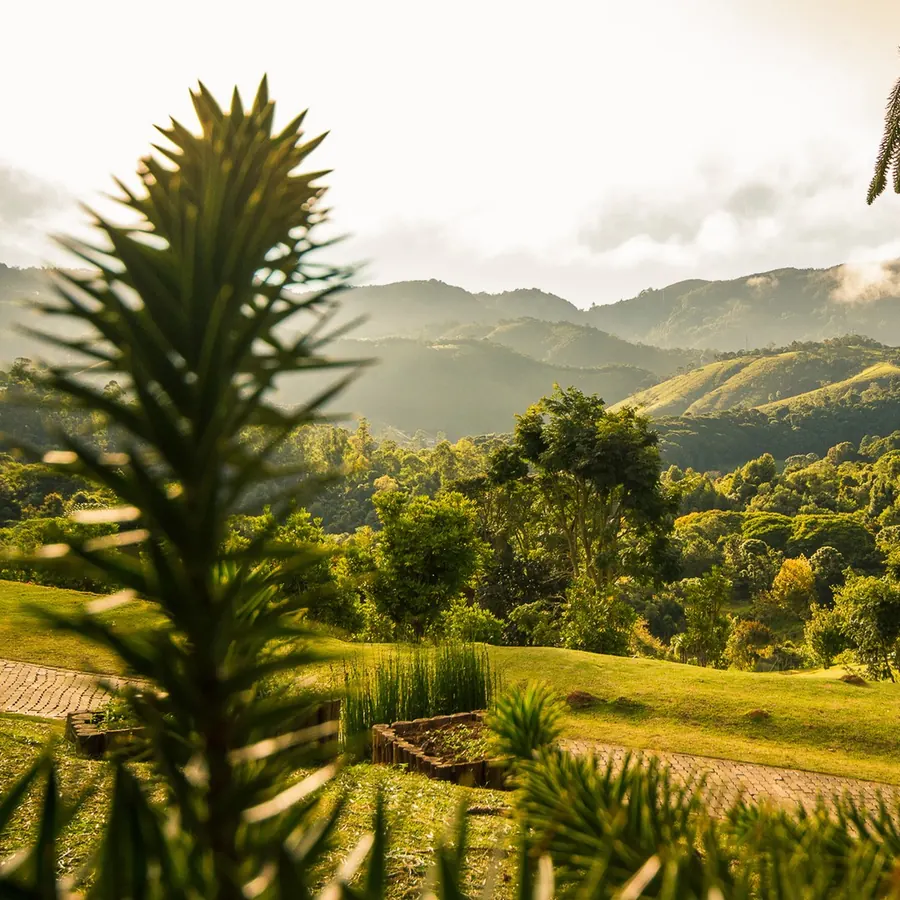
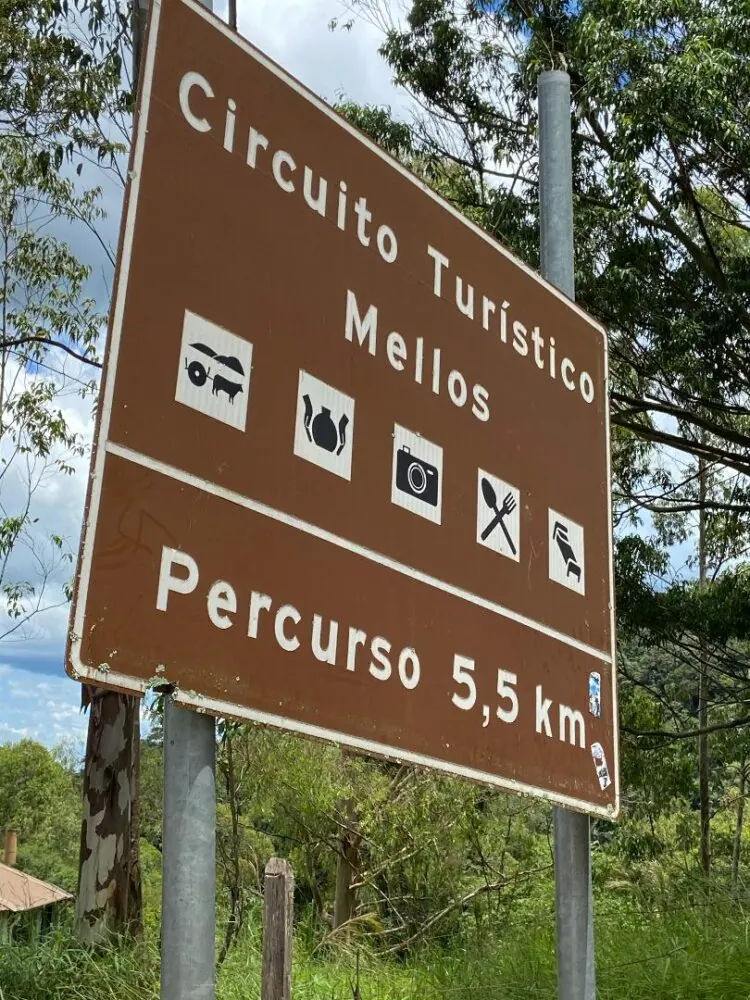
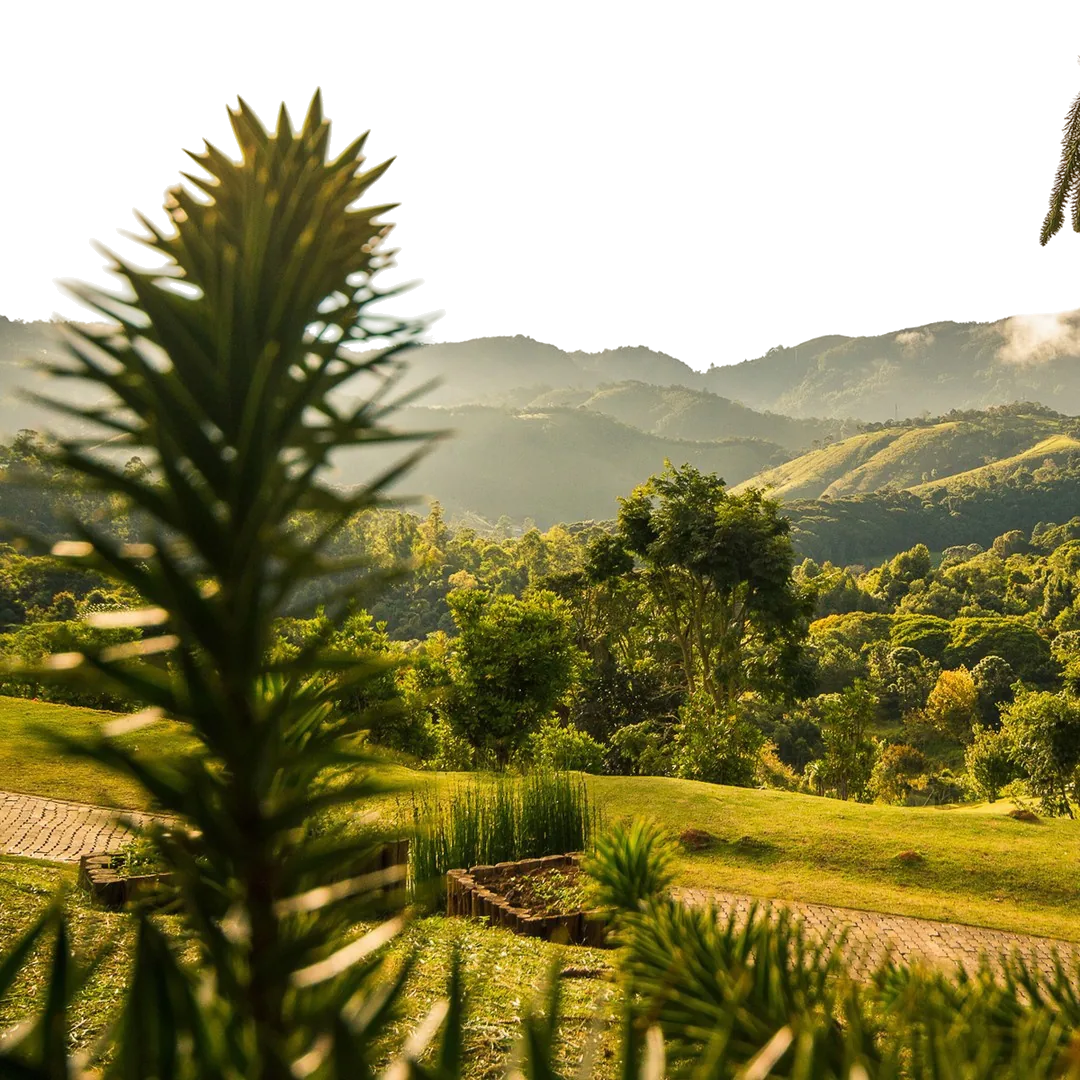
Highland Atlantic Forest, around 1,500 m, temperate climate. Each valley has its own character; the Triangle's strength appears when Mellos, Lageado and Baú are read together, as the initial area of study and action.

Deep rurality and Atlantic Forest coexist with an economy of hospitality, gastronomy, tourism and services. Growing lodgings connect the district to the range's most established mountain destination.

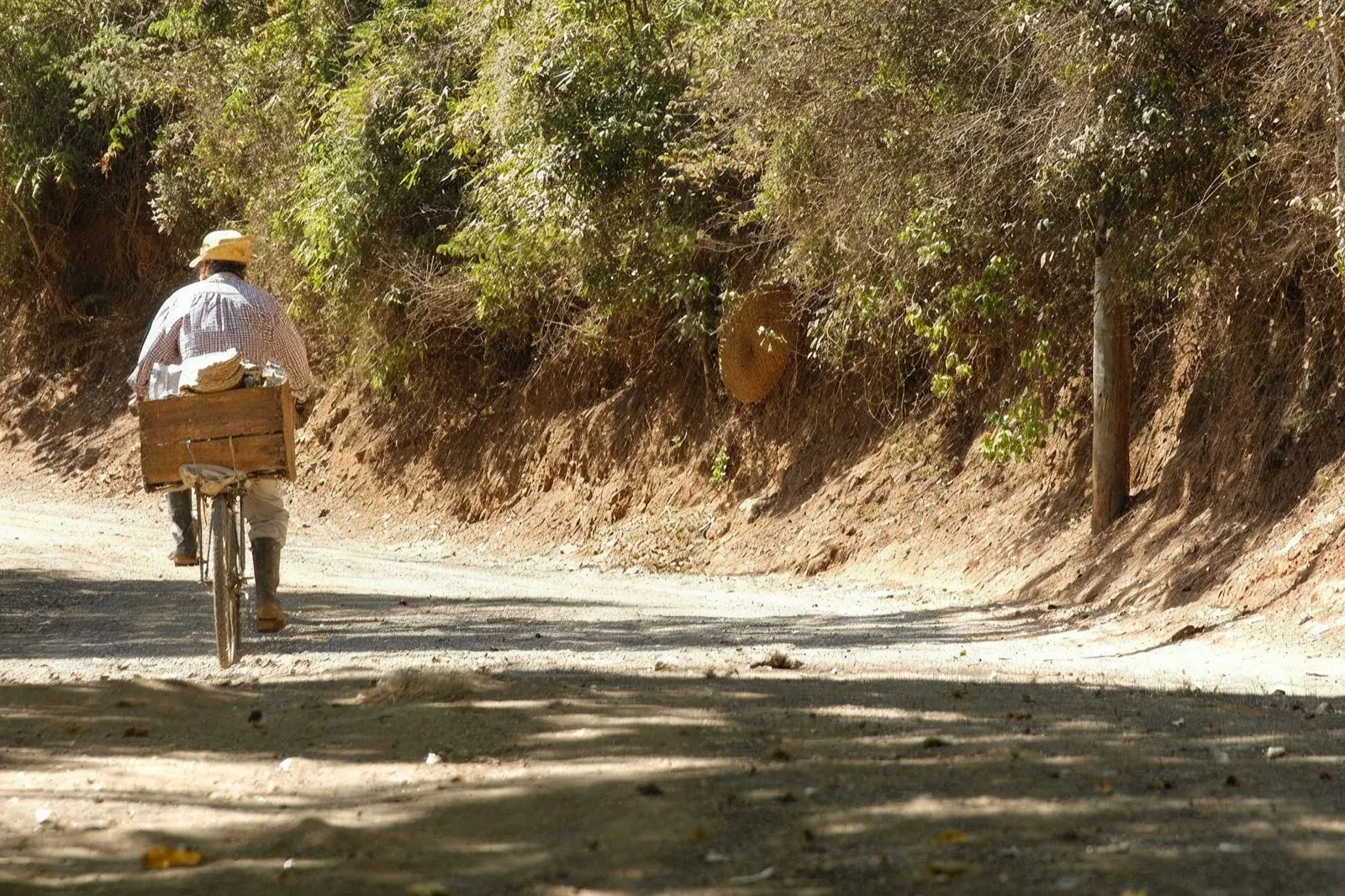
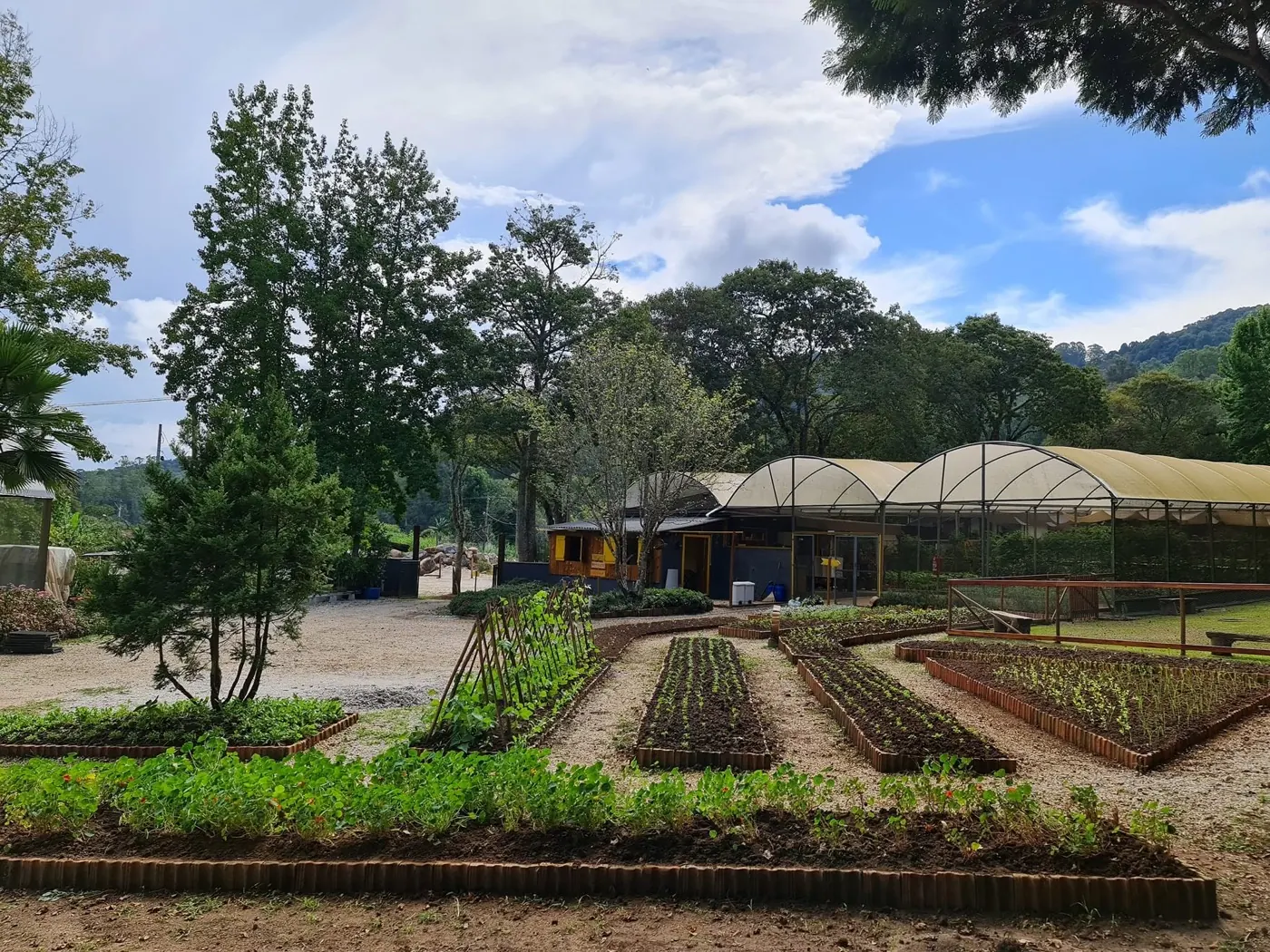
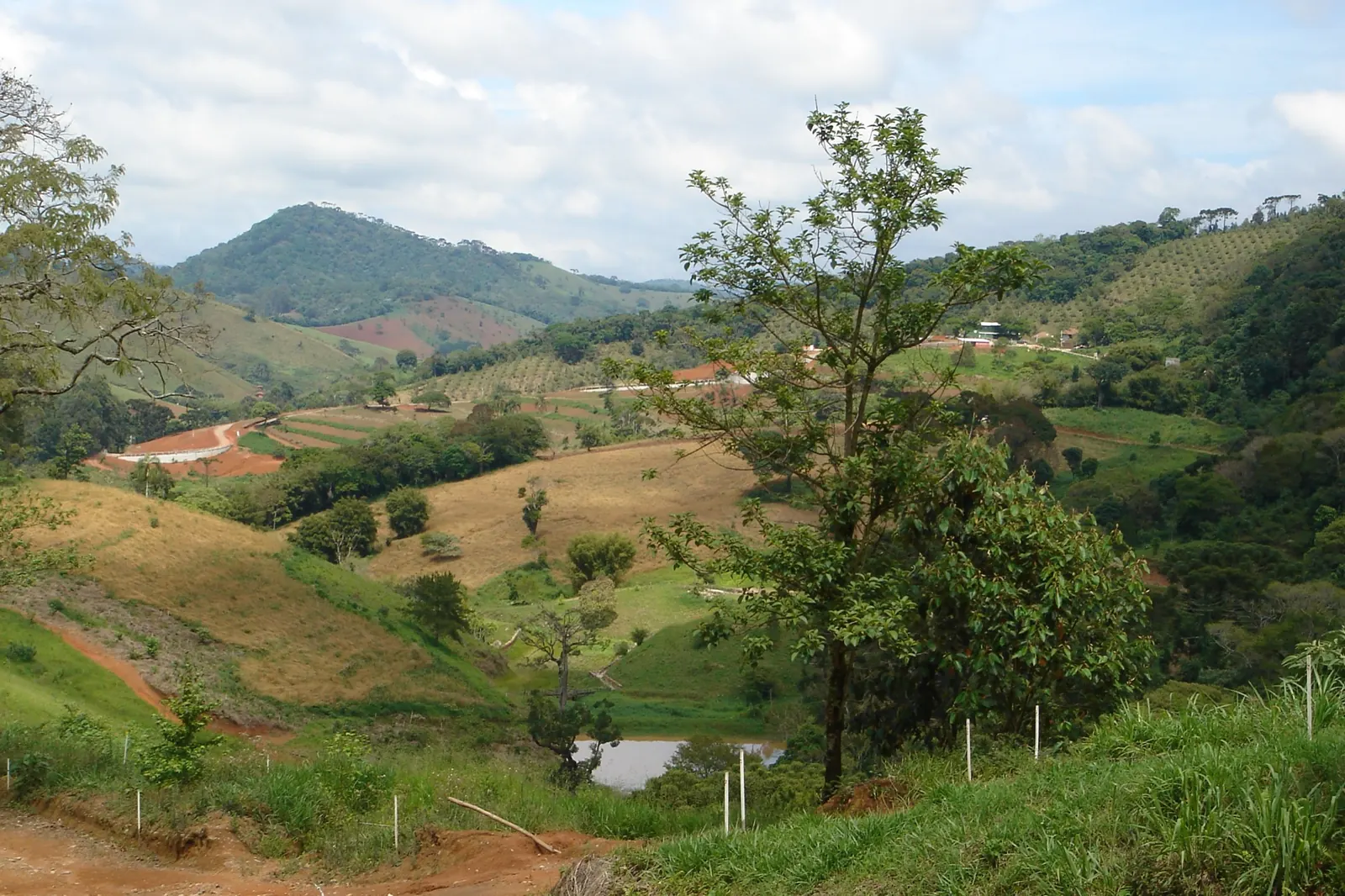
Smallholdings and heritage agriculture, with the legacy of Japanese families in horticulture. Olive groves, dairy, vegetables, flowers and rural tourism, together with Pico Agudo, reveal a vocation for turning quality into higher value.

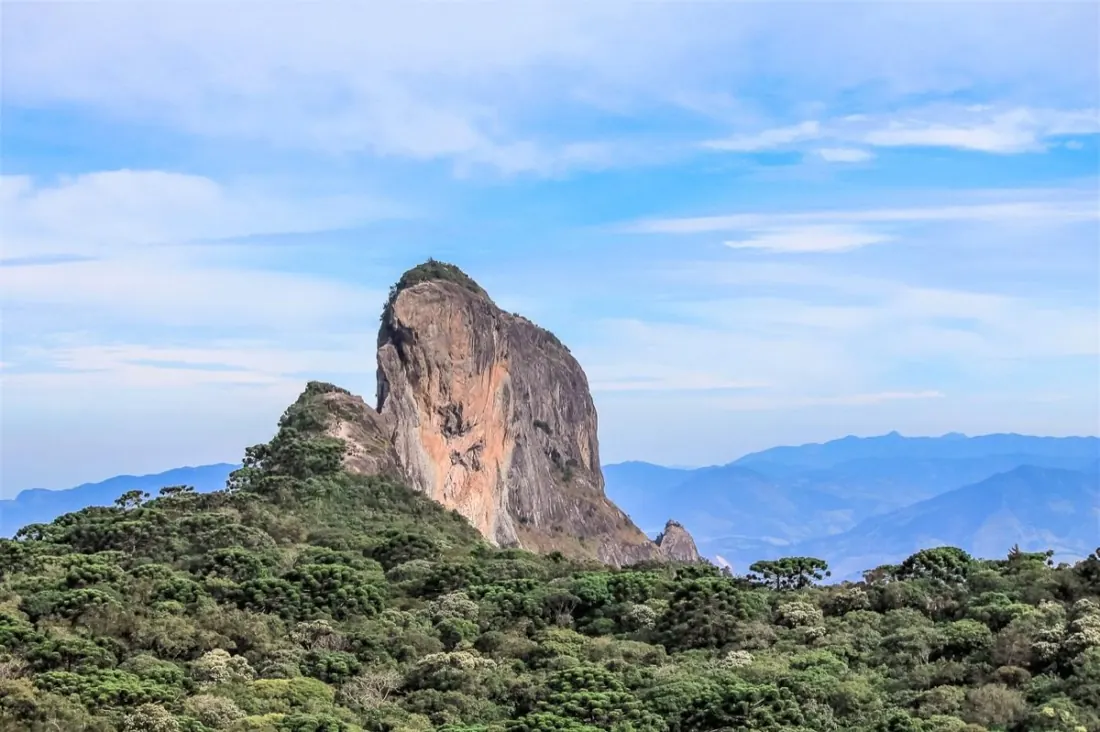
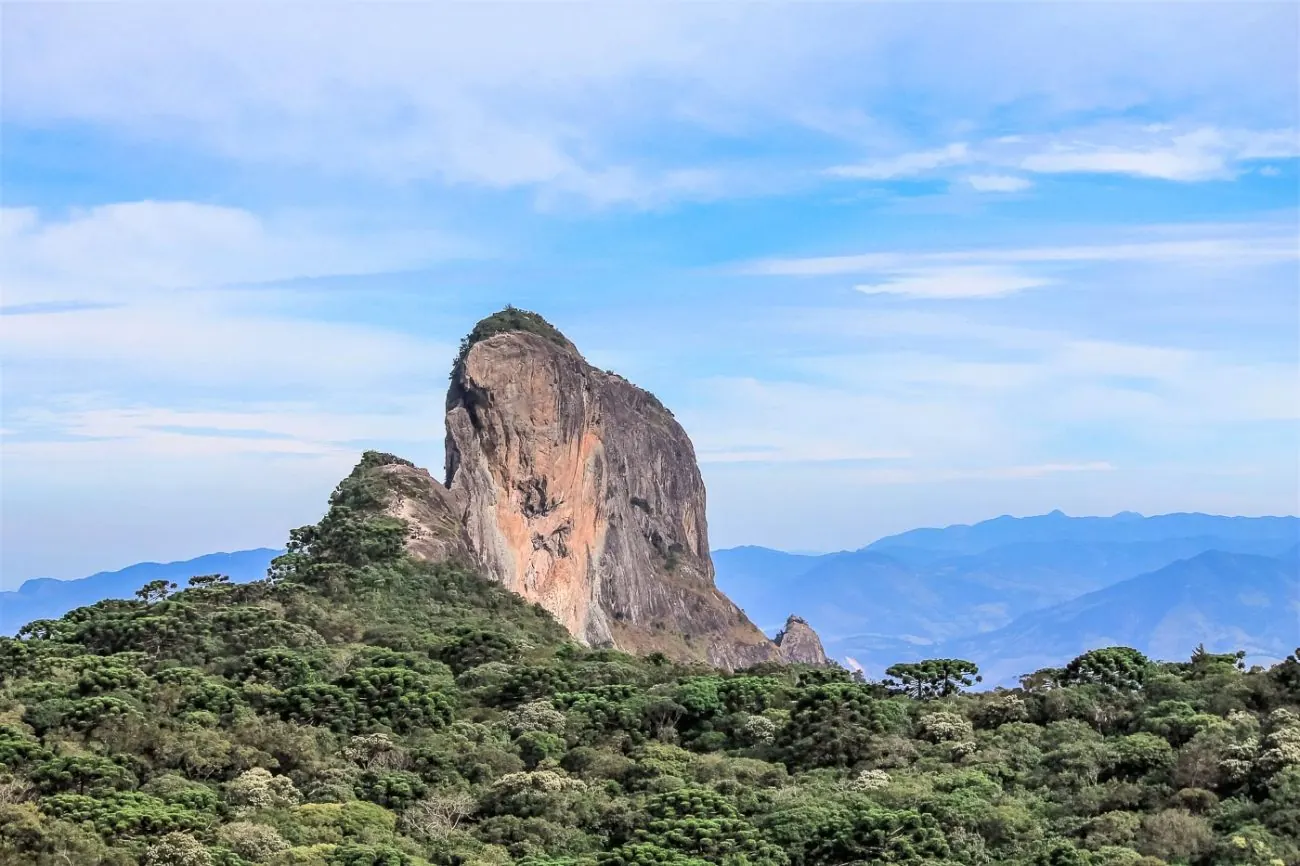
Beneath Pedra do Baú, family farming, rural communities, gastronomy, inns and nature tourism form an economy bound to place, where the landscape itself is part of the value to care for.
Bring the world in: bilingual schools, first-world healthcare, work, culture and capital, without pushing out those already here, without cement, without noise, without speculation.

Not another rural retreat. A contemporary, living, replicable settlement, organized as six systems working together. Each proven somewhere in the world; what is new is uniting them in a single headwater territory of the megalopolis.

A complete house raised in five months, without a single cement mixer on site.
Housing · tenure · community
A university with a permanent field base in the range.
Education · childhood · research
A rural startup hub, full on a Tuesday morning.
Economy · work · livelihoods
First-world care three hours from the capital.
Health · well-being · longevity
Not one big park, but hundreds of micro-parks across the whole area.
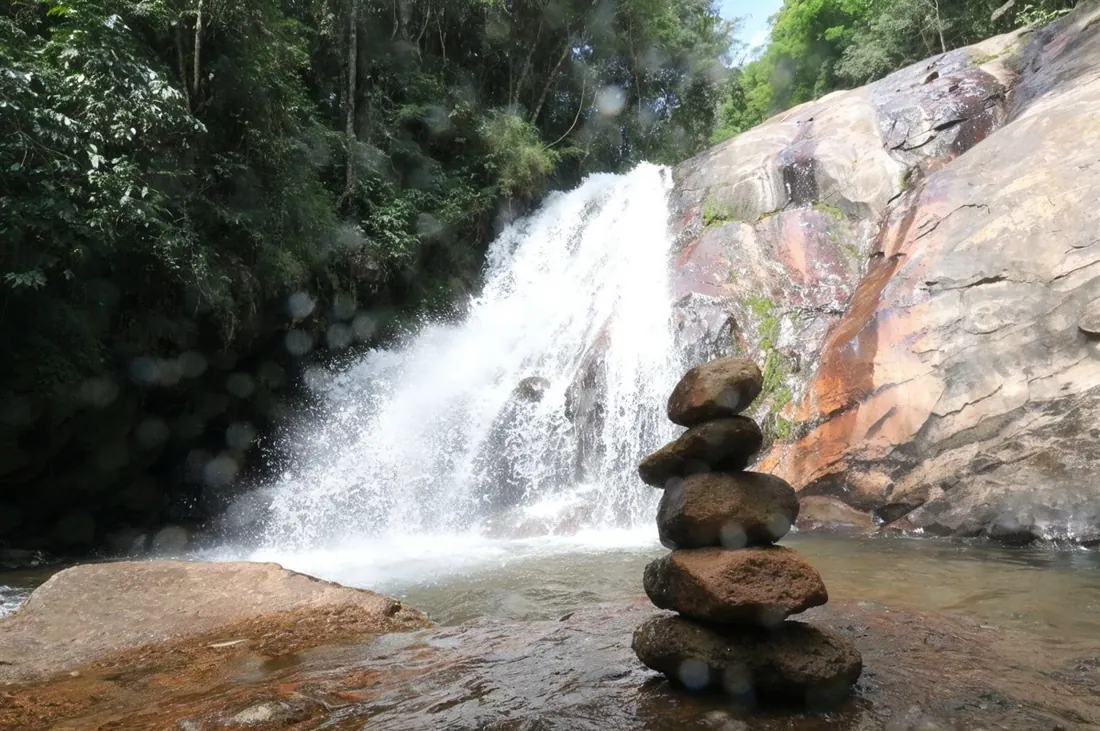
Water · climate · biodiversity
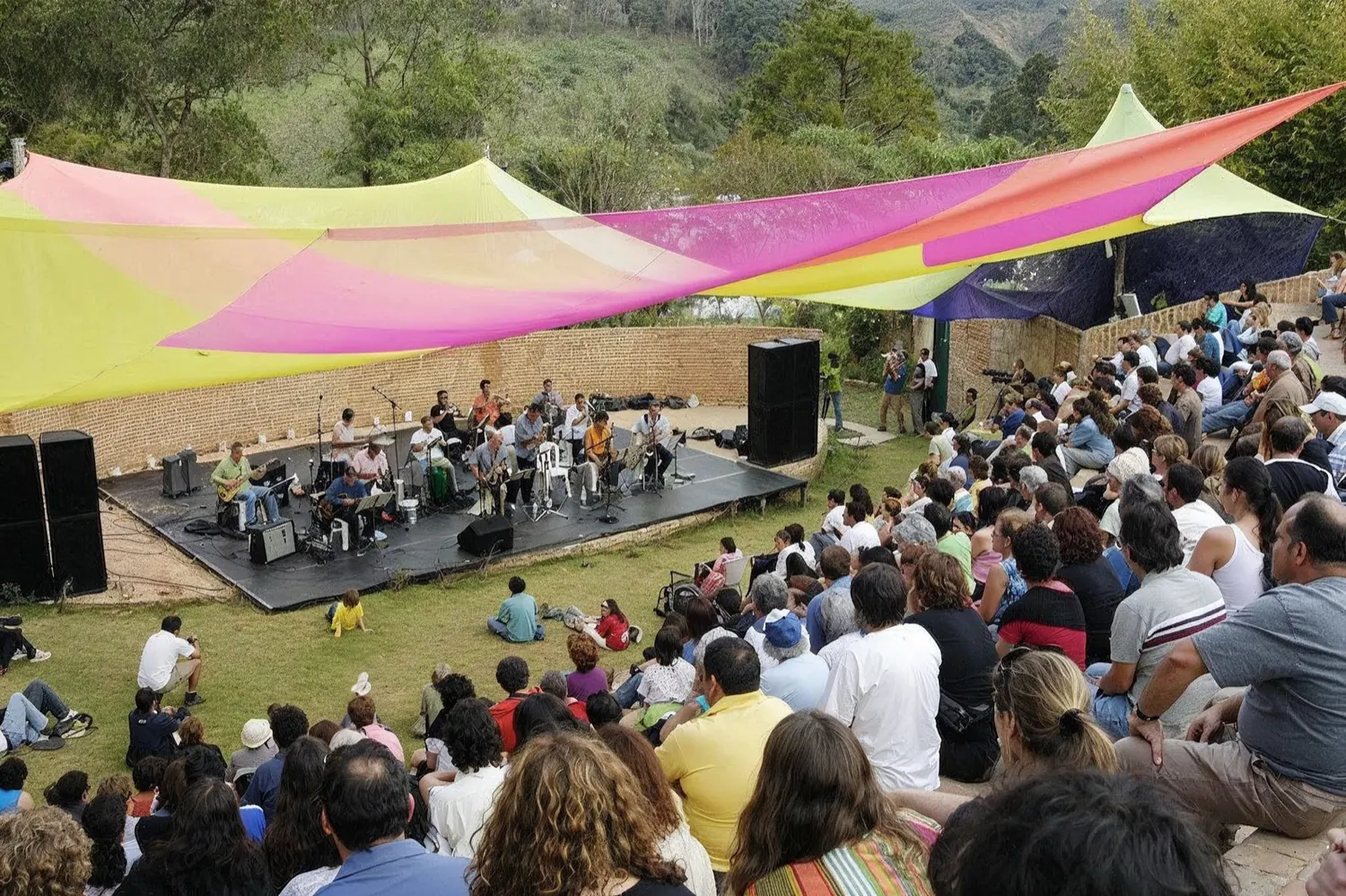
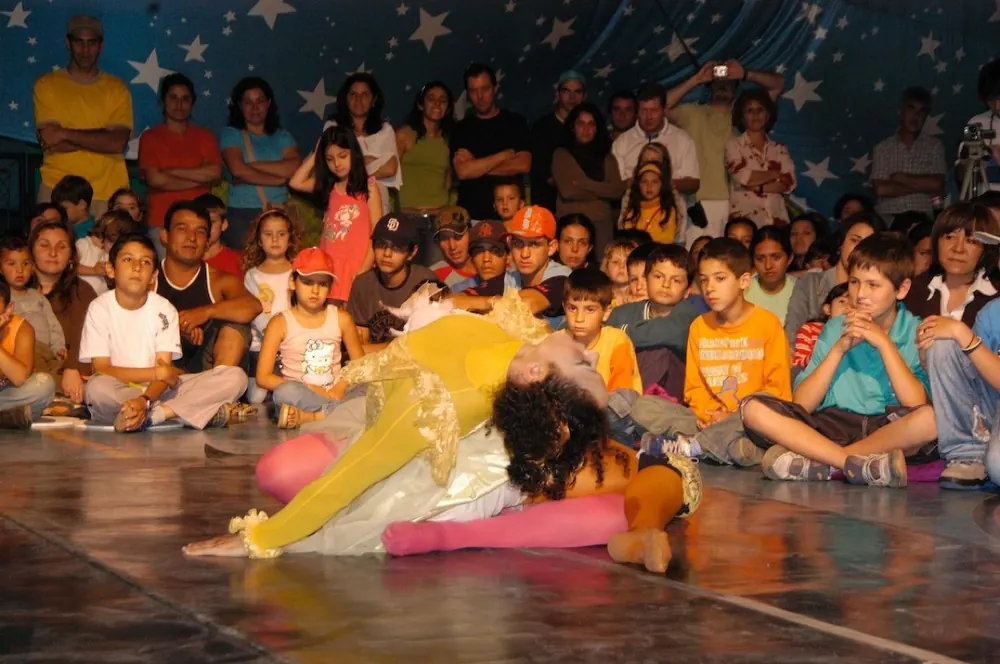
The whole territory is the museum; the art comes to you.
Culture · creative tourismAround the world, regions like Tuscany, Provence and Maine show how landscape, production, culture and small towns gain strength when they become a shared territorial identity. They widen the repertoire; the Triangle's path grows from the Mantiqueira itself.
Those who hold the land and the value of place, and those who arrive with capital and work, develop together. No one displaces anyone. It is the antidote to gentrification, designed from day one.
Residents, culture and forest: the value that makes the place the place. A guaranteed voice in decisions and land protected from speculation.
Families, entrepreneurs and investors who bring capital, work and demand, and choose to live here because there are schools, healthcare and work.
Those who arrive for the festival, the inn, the bistro and the retreat, sustaining the light economy without overloading the territory.
Build half of this with residents and newcomers, then step back. We are not building a place that is ours; we are building a place that will walk without us.
Every piece of this model has been proven somewhere, and the territory's technical groundwork is done. The Agency does not propose an experiment: it proposes uniting, in a single headwater territory of the megalopolis, instruments that already work.
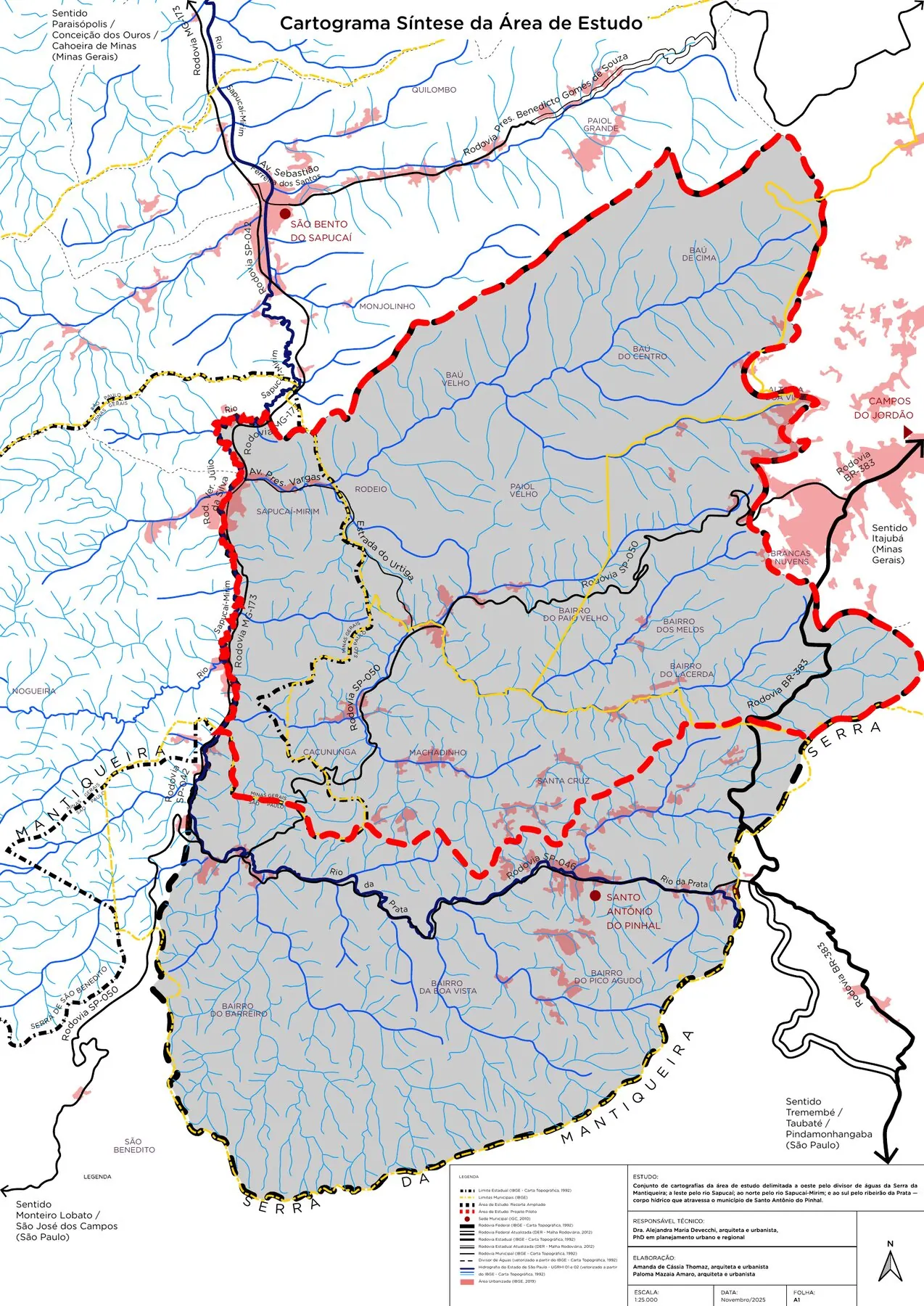
Built by a trusted technical network: Ricardo Semler, Alejandra Devecchi (PhD in urban and environmental planning, author of the synthesis cartogram), Eugenio Singer, Marcos Moreira (over one million trees planted in the region) and other residents and partners of the territory.
The Agency does not buy land, does not develop real estate and does not decide for the territory. It gathers the three municipalities, residents and newcomers, technical knowledge and capital around a method, so that Kindhearted Development stops being an idea and becomes reality, with those who already live here in charge.
To articulate people, institutions and resources to make real, in the Mantiqueira Range, a contemporary development that cares for place and people in the same measure as it generates prosperity.
A private non-profit association that builds bridges between those who know the problems, those who can build solutions and those who can fund them. And that plans its own exit.
None of the vision happens without two foundations. Clarifying land tenure is what allows living without displacement and being paid to conserve. Structuring fundable projects is what brings kindhearted capital. These are the first cycle's two fronts.
Map recurring situations, organize information and build support pathways for rural and urban properties, coordinating registries, municipalities, environmental agencies and specialists.
Turn local needs into clear, measurable, fundable projects, connecting the Mantiqueira with foundations, development networks and national and international partners.
Identify real demands with communities, municipalities and local organizations.
Gather data, maps, documents and technical knowledge.
Form the right coalition for each challenge.
Convert demand into a plan, service or fundable project.
Track execution, results and accountability.
Pass operations to residents and newcomers, making the Agency nearly irrelevant from year 7 on.


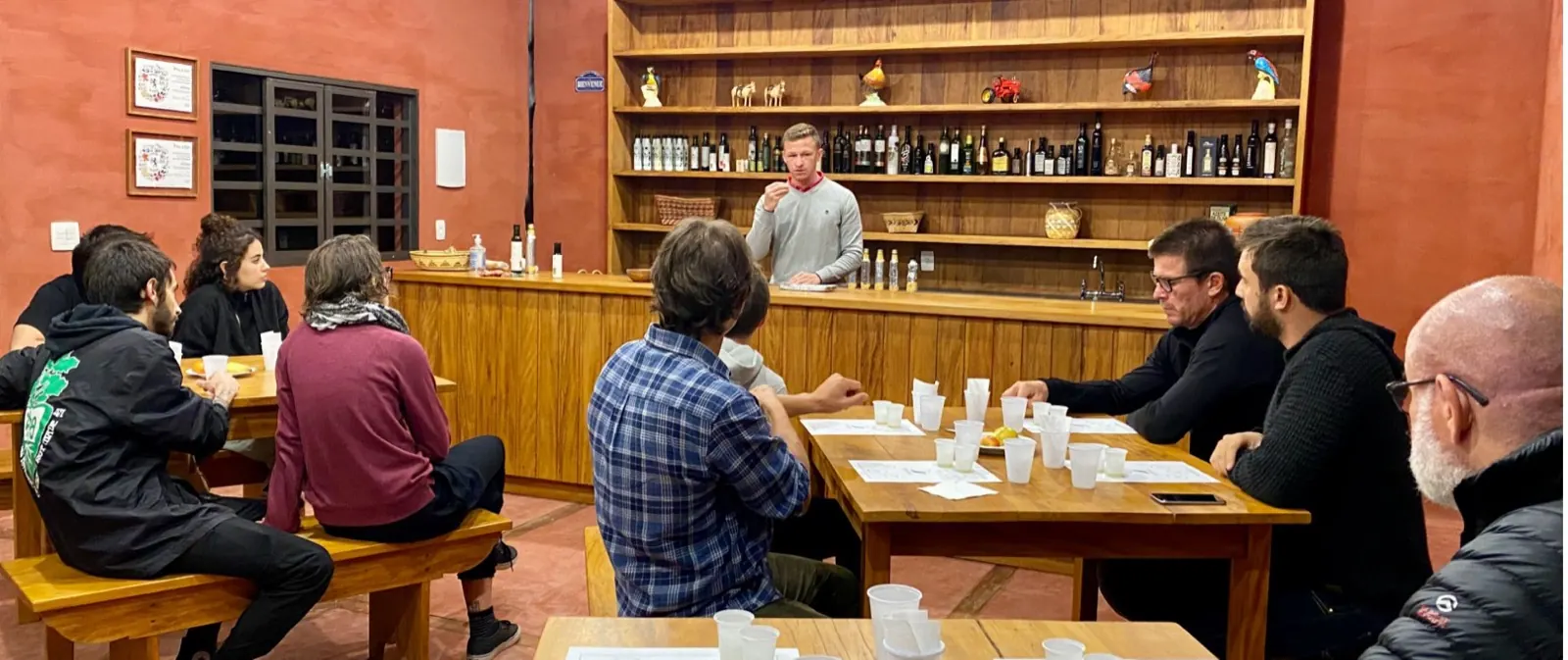
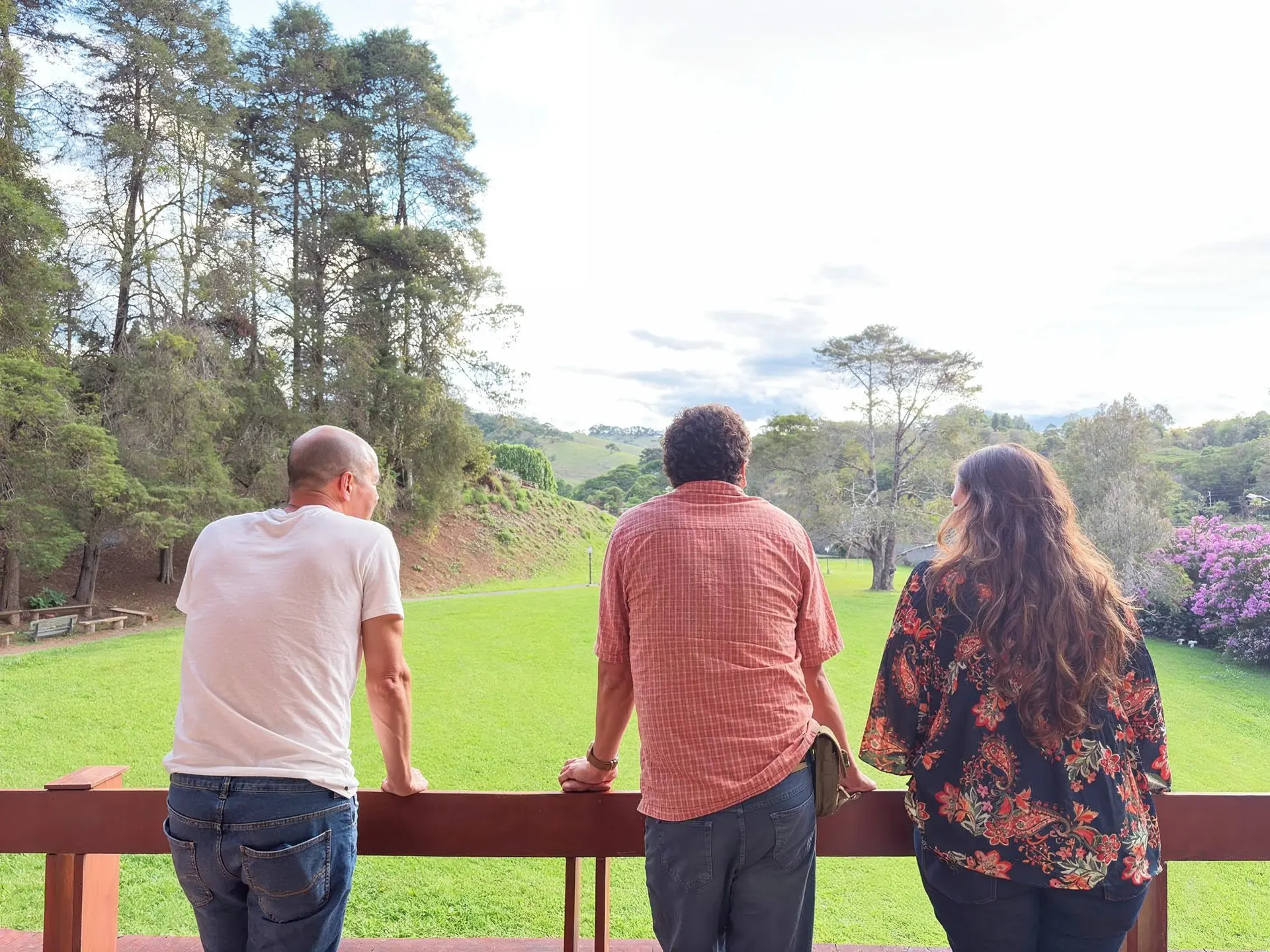
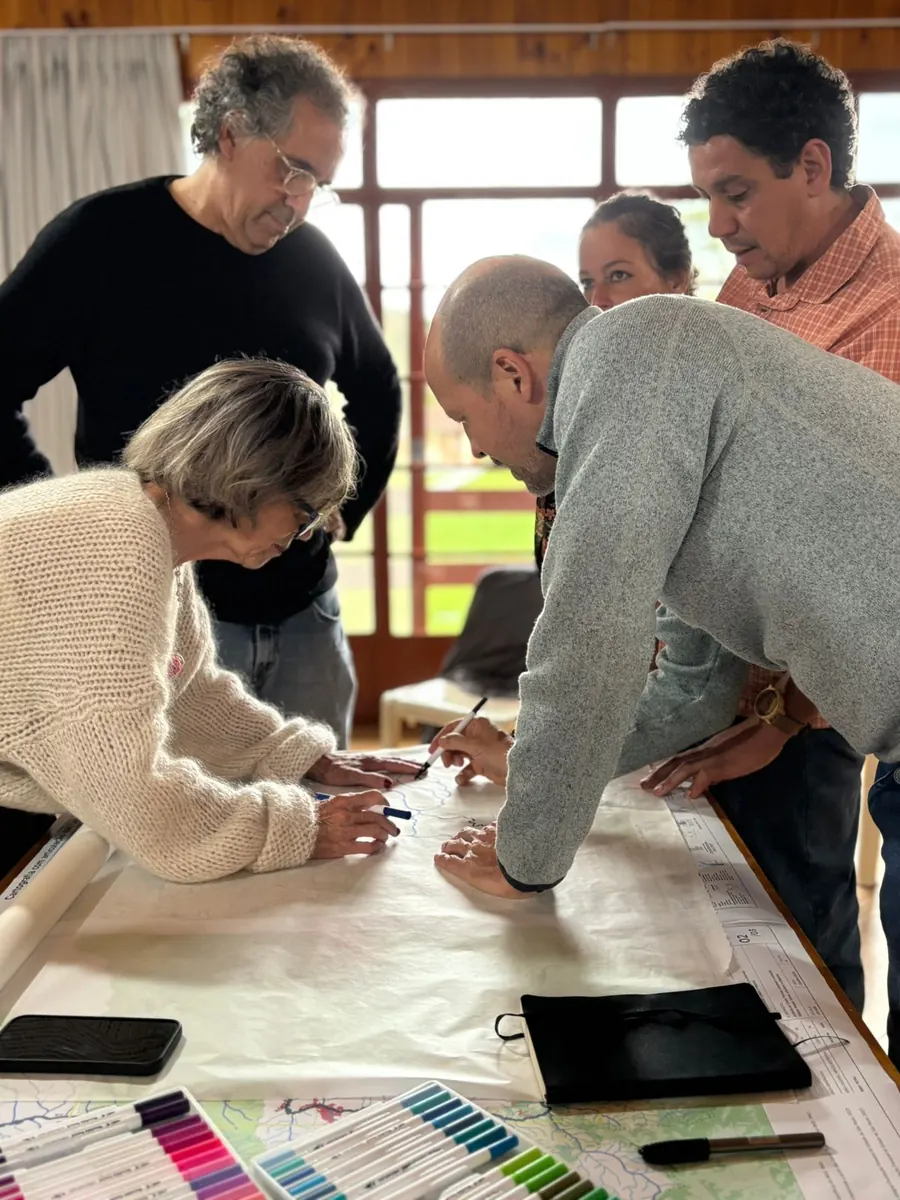
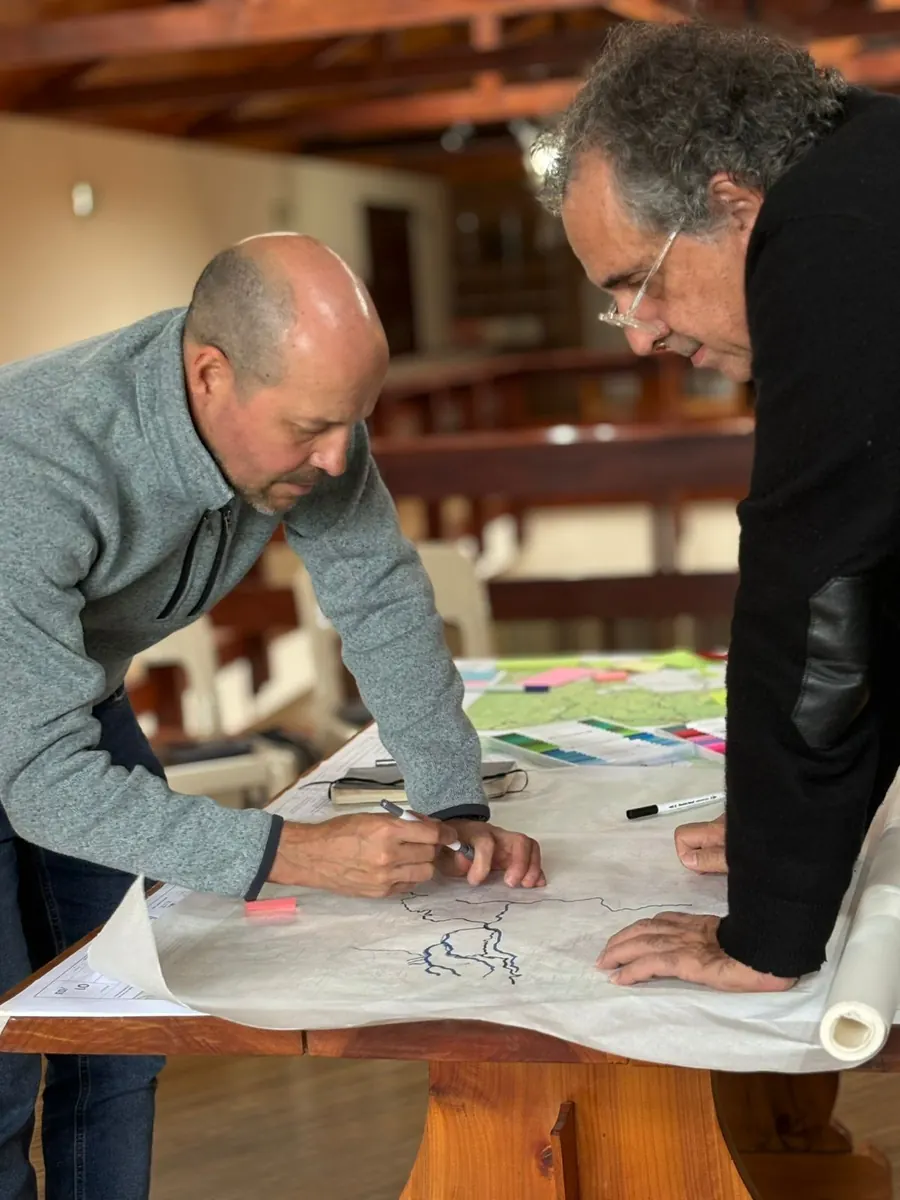
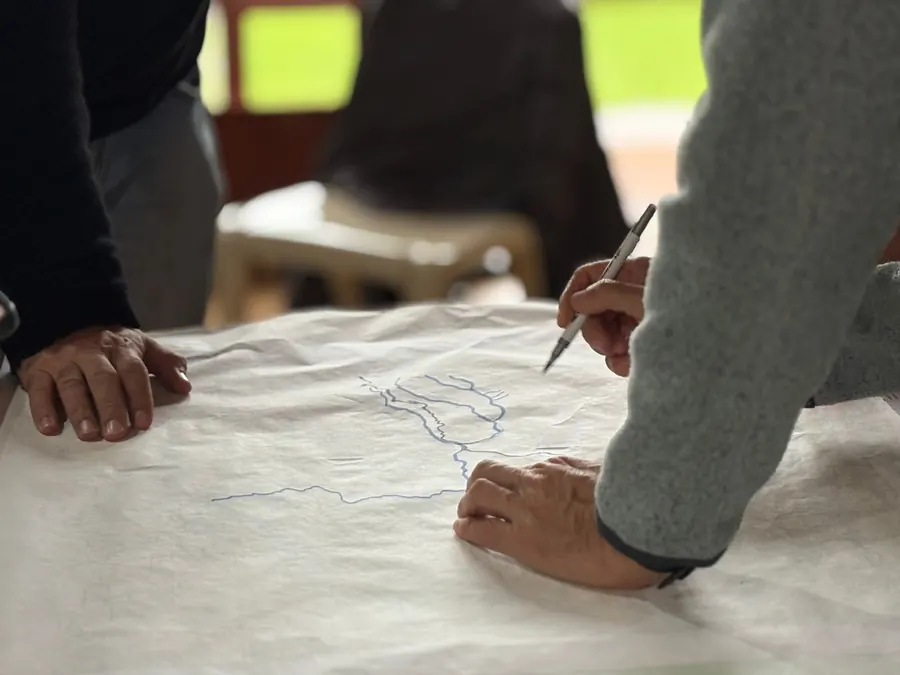
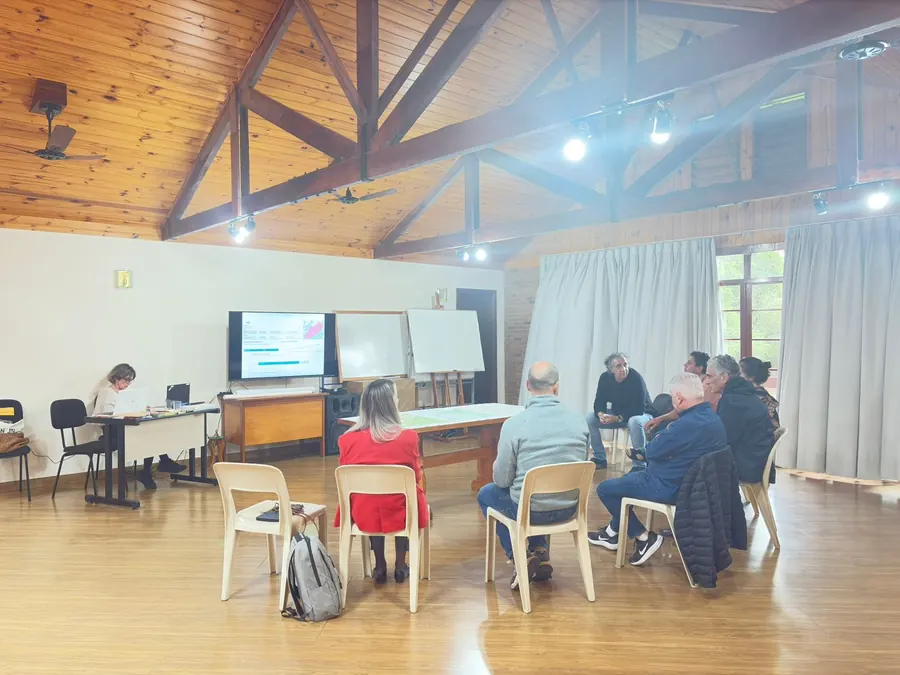
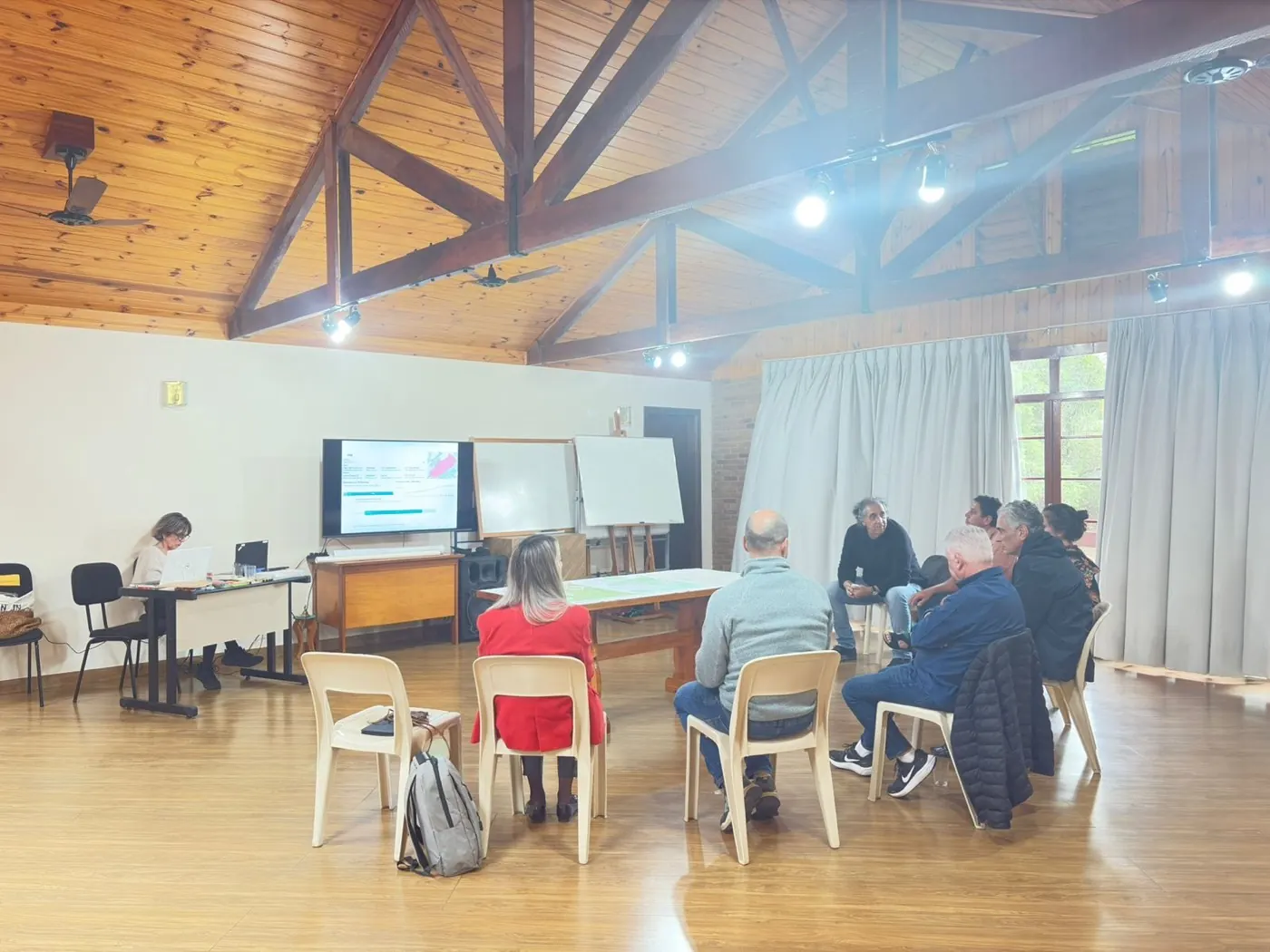
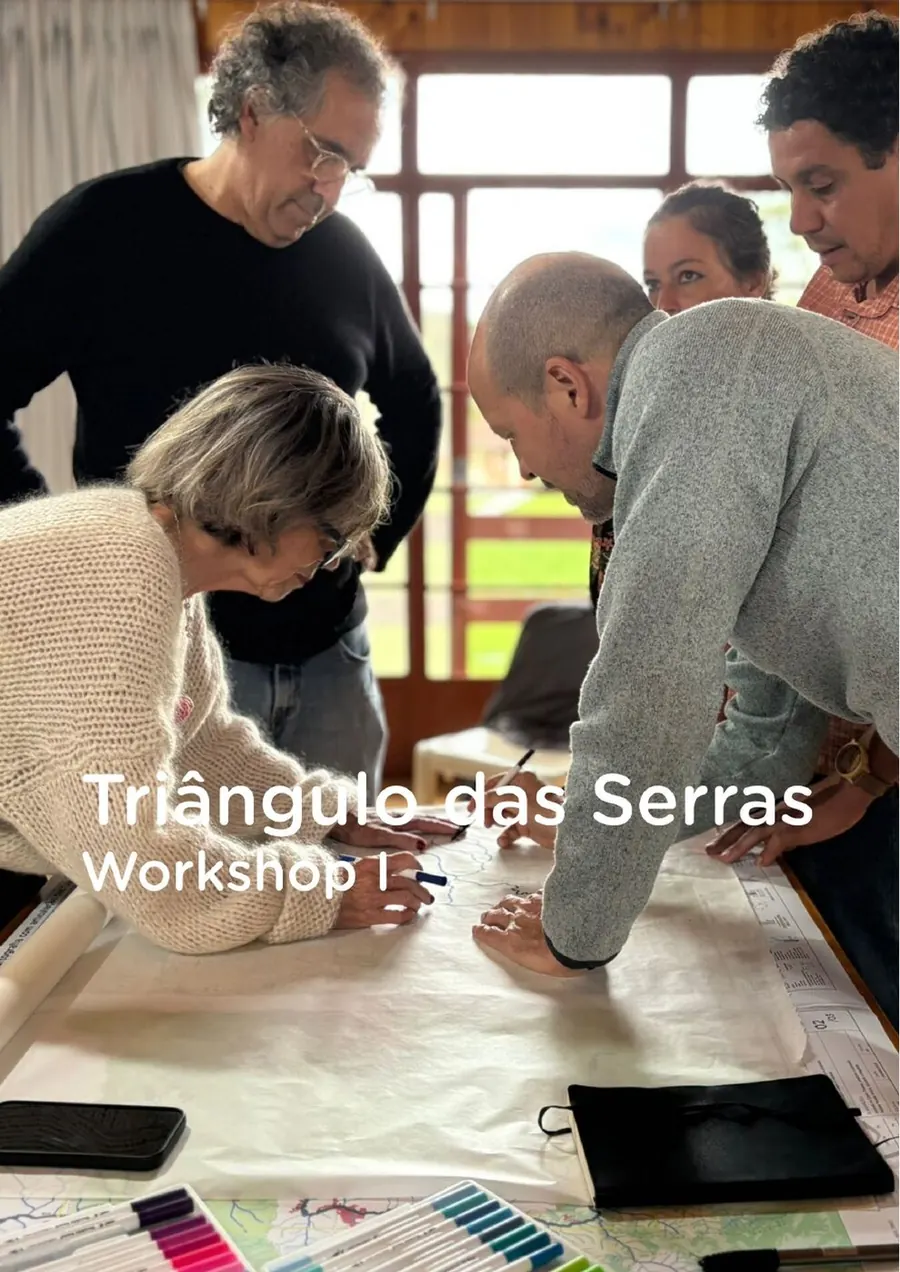
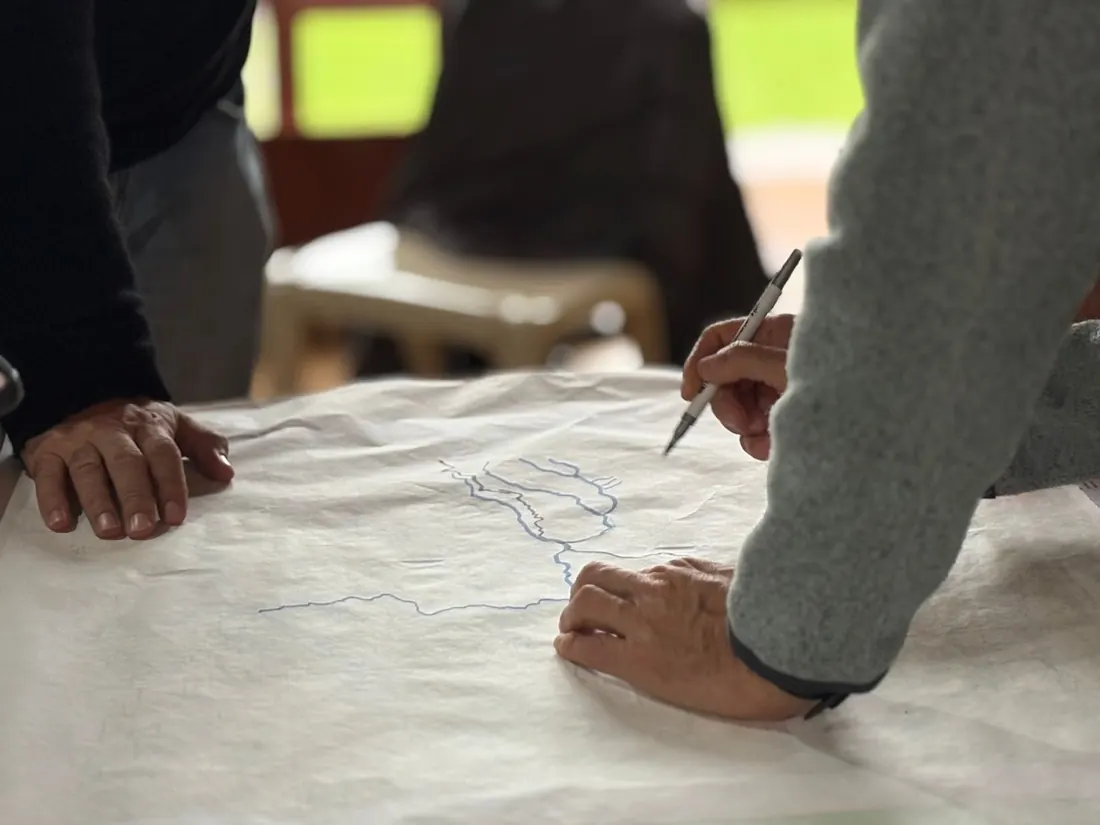
Workshop I · November 2025 · the method in practice, residents and partners at the table
A diagnosis and guidance program for smallholders and communities, starting with representative cases across the three towns.
↗ Institutional infrastructure · 02A bilingual base of territorial data, governance, documents and proposals ready for dialogue with funders and partners.
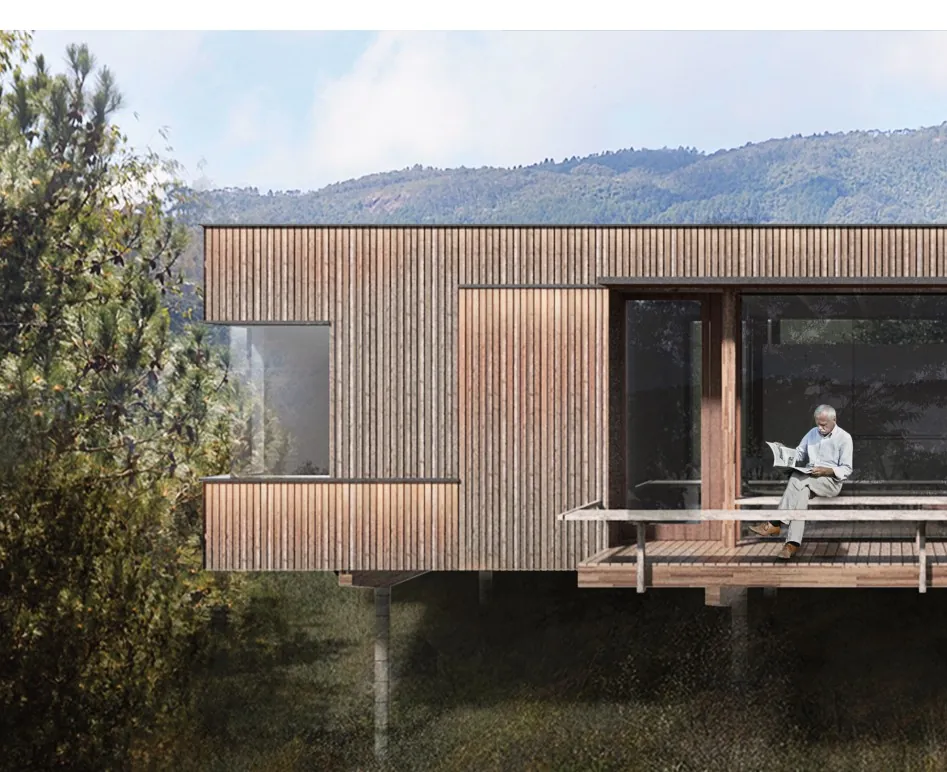
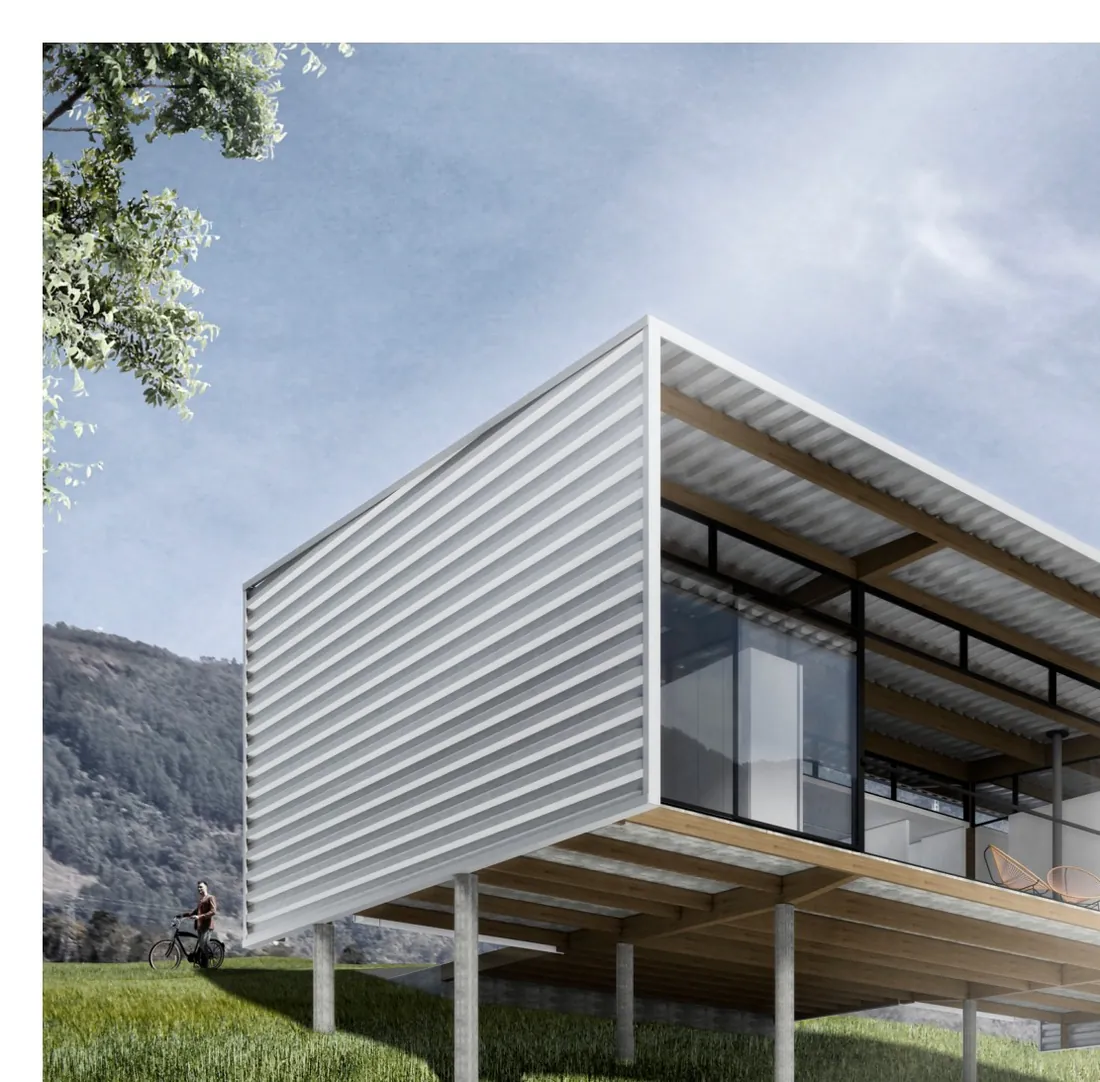
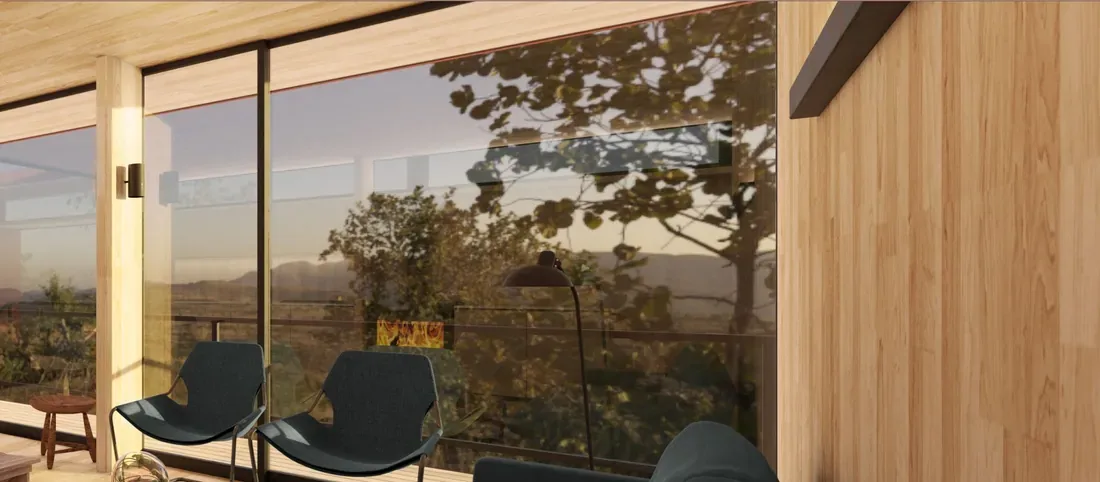
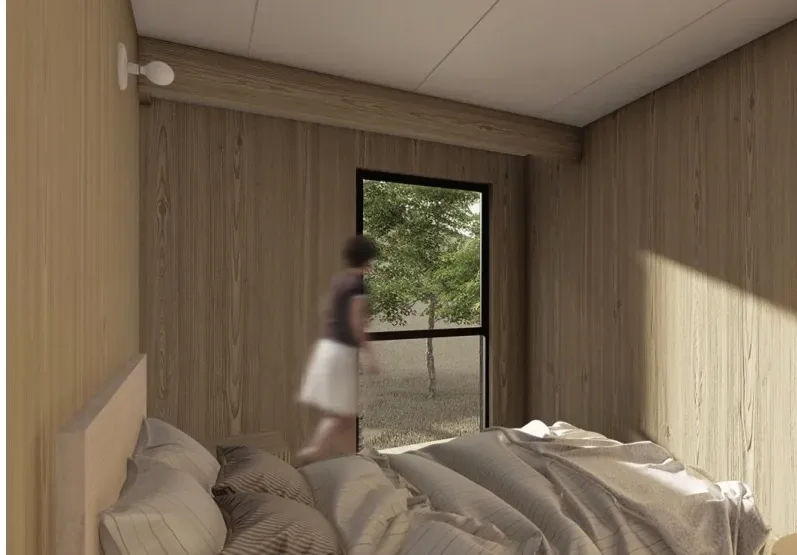
↗Timber houses, raised off the ground, prefabricated and reversible. The five proposals from the Vila dos Mellos architecture competition show, on paper, what the living without displacement system describes: building without concrete, without a scar, and without pushing out those already here.


Five proposals · full boards in the Agency's archive.
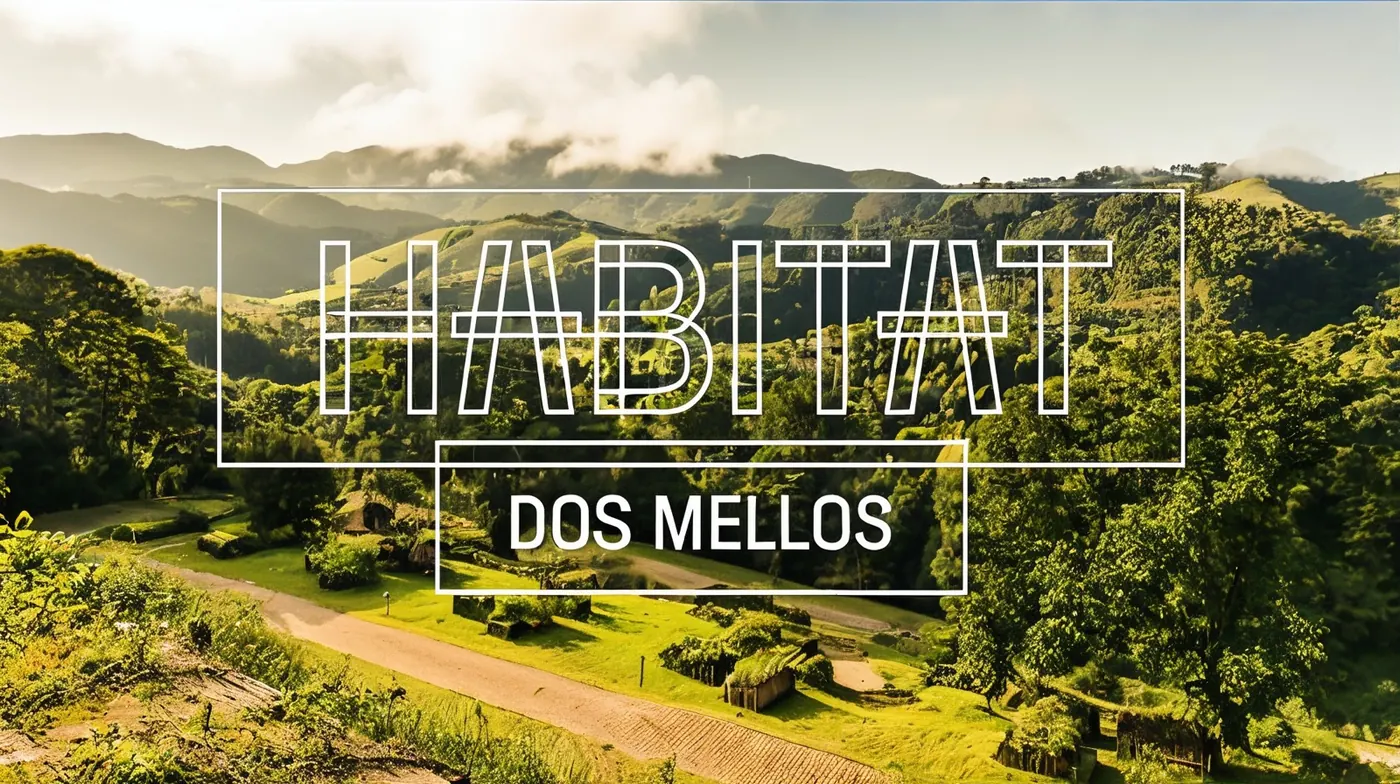
Back in 2006, initiatives like Habitat dos Mellos and Vilarejo dos Mellos were already exploring how to combine territorial planning, community, livelihoods, nature and quality of life.
Those studies are not the Agency's current plan: they are part of a memory of experimentation that helps ask better questions today. Among those involved were Ricardo Semler, Joaquim Rondon Rocha Azevedo, Eugenio Singer and José Violi.


The Agency grows from a network of residents, professionals, organizations and partners with different ties to the territory. It is a living, expanding network. Profiles in alphabetical order; areas describe experience, not formal roles.
Here we gather materials of different authorships and kinds. Each is presented in context — technical study, partner reference or historical record.

Delimits the wider area and the pilot project, bringing together watersheds, watercourses, urban centers, municipal borders and road links.
Open cartogram ↗
From the Mantiqueira Sustainability School: 11 SDG-aligned guidelines to steer good practice and partnerships in the region.
Cover preview · full version on request ↗
Working record of the first Triangulistas gathering. Discussions, hypotheses and next steps; not a definitive institutional position.
Cover preview · full version on request ↗

Come see this sunrise up close.
The Agency wants to talk with communities, producers, organizations, companies, universities, public authorities and funders who recognize the Mantiqueira's potential.
Fabiana Dupont receives messages and forwards them to the founding team.